


690. - Steaks From A Loin Of Mutton - 701. - Fillet Of Mutton Stewed
Description
This section is from the book "The New Cyclopaedia of Domestic Economy, and Practical Housekeeper", by Elizabeth Fries Ellet. Also available from Amazon: The New Cyclopaedia of Domestic Economy, and Practical Housekeeper.
690. - Steaks From A Loin Of Mutton - 701. - Fillet Of Mutton Stewed
690. - Steaks From A Loin Of Mutton
Are done in the same way, only trimming some of the fat off. Cut thick and stew instead of frying them.
691. - Mutton Steaks
The steaks are cut from the thick or fillet end of a leg of mutton, and dressed as rump steaks.
692. - Mutton Chops Broiled
Cut from the best end of the loin, trim them nicely, removing fat or skin, leaving only enough of the former to make them palatable; let the fire be very clear before placing the chops on the gridiron, turn them frequently, taking care that the fork is not put into the lean part of the chop; season them with pepper and salt, spread a little fresh butter over each chop when nearly done, and send them to table upon very hot plates.
693. - Mutton Chops Fried
The fat in which the chops are to be fried should be boiling when the chops are put into it. They should be pared of fat and well trimmed before cooking; they should be turned frequently, and when nicely browned they will be done; of course if they are very thick judgment must be .exercised respecting the length of time they will occupy in cooking.
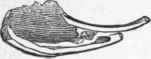
Mutton Chop.
694. - Chops As Beefsteaks
Cut thick from a leg of mutton, and rub each steak with a shalot; boil over a quick fire; rub your dish with shalot; when on the dish pepper and salt it; send it up quite hot.
697. - Cutlets Saute
Cut your neck of mutton precisely as for the crumbed cutlets; have ready a piece of butter melted in your saute-pan; dip each cutlet both sides in the butter; when required fry them a very light color, pepper and salt them; when done take them up to drain from the fat, have some good glaze melted, and glaze each cutlet both sides; dish them round with or without a rim of mashed potato.
698. - Mutton Cutlets-Maintenon
Trim the cutlets as for former cutlets; half fry them, then cover them with fine herbs and bread-crumbs, and season with pepper and salt. Lay all to cool; have some fresh parsley to add to the already fried herbs and shalot. When cool, spread the butter and herbs thick upon each cutlet; sprinkle them with breadcrumbs; wrap them in buttered foolscap paper, and broil them over a slow fire until done.
699. - Braised Cutlets
Trim your mutton from the bones as before; then put it whole into a good braise; let it stew gently until tender; put it aside to get cold; when so, cut your cutlets as thick as the former; trim them neatly, make them hot and glaze them.
700. - Fillet Of Mutton
Choose a very large leg; cut from four to five inches in thickness from the large end of the leg; take out the bone, and in its place put a highly savory forcemeat; flour and roast it for two hours. When done, it may be sent to table with the same accompaniments as a fillet of veal, with melted butter poured over it, or a rich brown gravy and red currant jelly.
701. - Fillet Of Mutton Stewed
Cut and prepare stuff as above, flour and brown in a little butter, and put it into a stewpan with a pint and a half of gravy; with it a small bundle of sweet herbs, two or three small onions, or eight or ten small button onions peeled, a tea-spoonful of whole black pepper; stew slowly three hours and a half. The fillet may be salted, and being half roasted may be stewed with its trimmings.
Continue to:


My Books

