


Sending A Dog On Trial
Description
This section is from the book "How To Train Dogs And Cats", by Frederick H. Erb, Jr. Also available from Amazon: How To Train Dogs And Cats.
Sending A Dog On Trial
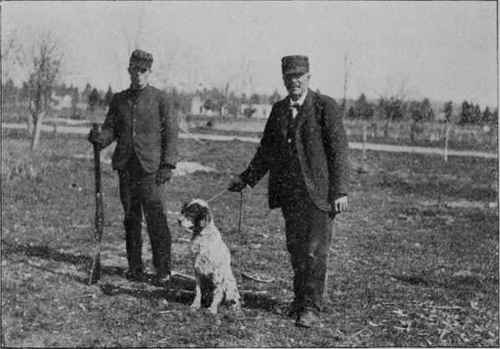
My advice is often asked in regard to sending dogs on trial. Don't do it. A handler can handle a dog on game without trouble, while a stranger might not be able to do anything with him. One great reason for this is that the stranger will probably put the dog in some lonesome place, perhaps for days, until he is ready to go out hunting, to try the dog.
The dog should be given time and opportunity to become acquainted before being tested; then he should be taken where there is game to be worked on. There is no use in having a dog shipped to a person who knows little or nothing about dogs, or who goes out hunting but once or twice a year. And another thing, no dog can work unless given game to work on. The occasional hunter has lots to learn about dogs; how to handle them and what to expect of them in the field.
It is folly to want to have a green dog trained by the month, as many require. This demand accounts for the many failures in training by unscrupulous handlers, who promise what they know they cannot perform, for the sake of getting the work other more conscientious handlers have refused.
If a dog is to be trained, let him be well trained, to retrieve, to point, to mind gun or whistle, and be under good command at all times, and he will show up a good nose and learn to handle it on game. This cannot be done in one month. There are many things to take into consideration - continued wet weather, cold, raw days, possibly the dog may get sick or lame, it may be too hot to work the dog, or too windy or bad for game, and all.these things take time.
The best thing to do is to make a contract with the handler, one-half down when the dog is received, the balance when the dog is broken perfectly, and is ready to show on game.
Many delay the first payment for a month or two and then order the dog home on the pretense that he has been sold and promise a check on receipt of the dog. This they do, expecting to get a well broken dog on the cheap plan.
A handler will not do much with a dog till he gets his first payment, made according to contract, unless he knows with whom he is dealing.
Again, they will order the dog home by express C. O. D., and then go and claim him and try to persuade the express company to give him up. Sometimes they succeed and then there is more trouble for the handler in making his claim good.
Under my system, I get the dog to retrieve and understand what I say during the first month. Then the work of the second month in the field conies easy to him and the dog shows up in great shape. It takes time for the handler to learn how good the dog's nose is and what he is going to be good for.
About the first of May is the best time to send a dog to the handler. Then the weather is generally fine and there is little sickness among dogs.
Of course, the handler will keep his dogs in a good kennel, dry and clean, but if the dog has been kept in the house, the change will be less sudden than in colder weather. Keeping a dog too warm, much washing in either cold or hot. water, and the excitement and exposure that always attend dog shows, are some of the chief causes of sickness among dogs.
When a handler sends word that a dog is perfectly broken and ready to go home, either go to the handler's home or pay him to bring the dog to you and so see for yourself just how he is to be handled. It will be money well spent and will not only be very pleasant, but will help you in the future handling of your dog.
Continue to:


My Books

