


Bitter Nightshade. Solanum dulcamara L.
Description
This section is from the "The Herb Hunters Guide" book, by A. F. Sievers. Also available from Amazon: Herb Hunters Guide.
Bitter Nightshade. Solanum dulcamara L.
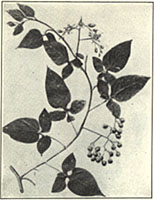
Figure 15.—Bitter nightshade (Solanum dulcamara)
Other Common Names
Bittersweet, dulcamara, nightshade, climbing nightshade, woody nightshade, amara dulcis, fevertwig, violet-bloom, blue bindweed, felonwort, poisonberry, poisonflower, pushion-berry, morel, snakeberry, wolfgrape, scarlet berry, tether-devil, dwale, skawcoo.
Habitat And Range
This plant occurs in low damp grounds and moist banks of rivers from New Brunswick to Minnesota and south to New Jersey and Kansas.
Description
Bitter nightshade has a climbing, somewhat woody, branched stem about 2 to 8 feet long. The leaves are from 2 to 4 inches long, some entire and others having one to three lobes at the base. The purplish flowers, which resemble those of the potato, are produced from about May to September in compound clusters. The berries, which ripen in autumn, are oval, red, juicy, and contain numerous seeds. The plant has a handsome appearance in autumn with its colored berries, and is often planted as an ornamental.
Part Used
The young branches from plants only 1 or 2 years old, collected after the leaves have fallen.
Continue to:


My Books

