


Goldenseal. Hydrastis canadensis L.
Description
This section is from the "The Herb Hunters Guide" book, by A. F. Sievers. Also available from Amazon: Herb Hunters Guide.
Goldenseal. Hydrastis canadensis L.
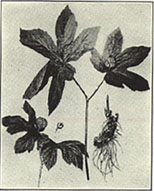
Figure 56.—Goldenseal (Hydrastis canadensis)
Other Common Names
Yellowroot, yellow puccoon, orange-root, yellow Indian paint, turmeric root, Indian turmeric, Ohio curcuma, ground raspberry, eyeroot, eyebalm, yelloweye, jaundice root, Indian dye.
Habitat And Range
This native forest plant occurs in patches in high, open woods, and usually on hillsides or bluffs affording natural drainage, from western New England to Minnesota and western Ontario, and south to Georgia and Missouri. Goldenseal is now becoming scarce throughout its range and is successfully cultivated in many localities.*
Description
Goldenseal has a thick, yellow rootstock which sends up an erect hairy stem about 1 foot in height which branches near the top, one branch bearing a large leaf and another a smaller leaf and a flower. The leaves have from five to nine lobes and when full grown are from 6 to 8 inches in diameter. The greenish-white flower which appears in April or May is unattractive and peculiar in form and is followed by a large, fleshy, berrylike head, which when it ripens in autumn is bright red, resembling a large raspberry, and which contains from 10 to 20 small, shining, hard, black seeds. The rootstock when fresh is bright yellow externally and internally with fibrous rootless produced from the sides he latter when dry are very brittle and are frequently broken off when the root stocks are handled.
Part Used
The rootstock, collected in autumn after the seed is ripe, and the leaves, gathered in the late summer.
*Van Fleet, W. Goldenseal under cultivation. U.S. Dept. Agr. Farmers' Bul. 613, 15 p., illus. 1914.
Continue to:


My Books

