


Boletus Alveolatus. Boletus Felleus. Suspicious Boleti
Description
This section is from the book "Our Edible Toadstools and Mushrooms and How to Distinguish Them", by W. Hamilton Gibson. Also available from Amazon: Our Edible Toadstools And Mushrooms And How To Distinguish Them.
Boletus Alveolatus. Boletus Felleus. Suspicious Boleti
Alveolate Boletus - Boletus alveolatus
Pileus: Smooth, polished; bright, deep crimson or maroon, occasionally mottled or marbled with yellowish; three to six inches in diameter.
Flesh: Firm and solid in substance; pale greenish or yellowish white, changing blue in fracture or where bruised.
Tubes: Tube-surface reaching the stem proper; undulate with uneven hollows; maroon, the tubes in section being yellow beyond their dark red mouths.
Spores: Yellowish brown.
Stem: Usually disproportionately long, covered with depressions or oblong pitted indentations, with intermediate coarse network of raised ridges; red and yellow.
Habitat: Woods; quite common.
Bitter Boletus - Boletus felleus
Pileus: At first firm in substance, becoming soft and cushionlike; smooth, without polish, varying in color from pale ochre to yellowish or reddish brown; diameter three to nine inches.
Flesh: White on immediate section, generally changing to slight pinkish or flesh color in fracture.
Tubes: Tube-surface rounded upward as it reaches stem; white at first, becoming dull pinkish with age, or upon being bruised.
Spores: Flesh colored or dull pink.
Stem: Usually quite stout, nearly as smooth as the cap, and somewhat lighter in color; more or less ridged with coarse reticulations, occasionally covered with them to its thickened base.
Taste: Bitter.
Habitat: Rich woods and copses, often about decaying trunks.
Suspicious Boleti.
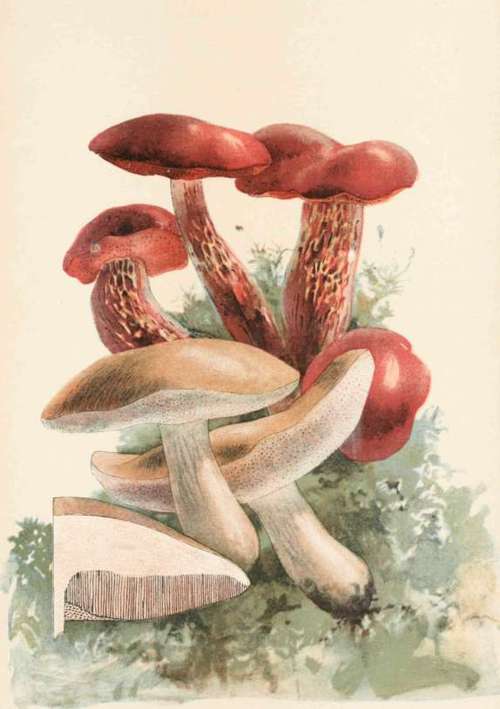
Plate XXIV Boletus Alveolatus. Boletus Felleus.
The crimson Boletus
Continue to:


My Books

