


Echinocactus. Part 4
Description
This section is from the book "The Standard Cyclopedia Of Horticulture Vol2", by L. H. Bailey. See also: Western Garden Book: More than 8,000 Plants - The Right Plants for Your Climate - Tips from Western Garden Experts.
Echinocactus. Part 4
22. Electracanthus, Lem
Globose or thick cylindrical, becoming 2 ft. high and 1 ft. diam.: ribs about 15: radial spines about 8, equal, rigid, spreading, yellowish, about 1 in. long; the central one solitary, red at base: flowers clear yellow. Mex.
23. Echidne, Dc. (E. Vanderaeyi, Lem.)
Depressed-globose, 5-7 in. diam., 3-4 in. high: ribs 13, acute: radial spines 7, broad, rigid, spreading, yellowish, 1 in. or more long; central spine solitary and scarcely longer than the others: flowers bright yellow, 1 in. or more long. Mex.
24. Texensis, Hopf
Mostly depressed (sometimes globose), 8-12 in. diam., 4-6 in. high, simple: ribs mostly 21 (sometimes 27, and in smaller specimens 13 or 14) and undulate: spines stout and fasciculate, reddish, compressed; the exterior 6 or 7 radiant, straight-ish or curved, unequal, 1/2- 4/5in. long in some cases, 1 1/5-2 in. in others, much shorter than the solitary and stout recurved central, which is sometimes 1/6-1/4in. broad: flowers about 1/5in- long, parti-colored (scarlet and orange below to white above). Texas and N. E. Mex.
25. Rectispinus, Brit. & Rose
Fig. 1372. Globose, at length cylindrical: ribs 13-21, obtuse and strongly tuberculate: radial spines 7-9, very unequal, the 3 upper ones 4-5 in. long, the lower 1 1/2-3 in. long and paler; the central very long (12-13 in.), straight or slightly decurved: flowers about I 1/5in. long, pinkish; ovary bearing a few ovate, scarious, naked scales. Low. Calif.
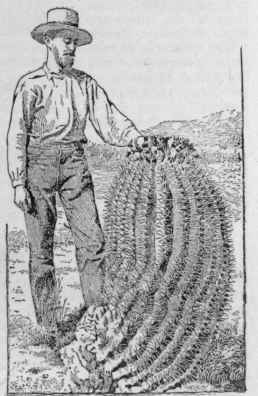
Fig. 1372. Echinocactus rectispinus. No. 25.
26. Emoryi, Engelm
Becoming large, globular to cylindrical plants, 1-4 ft. high: ribs 13-21, obtuse: radial spines 7-9, nearly equal, stout, 1-2 in. long; central spine single, por-rect, hooked: flowers red, tipped with yellow: fruit 1-2 in. long, covered with thin bracts. S. Ariz, and N. Sonora.
27. Recurvus, Link & Otto
Subglobose and very stout: ribs about 15, covered with broad, dark red spines, the ra-dials spreading, the central one recurved and very stout. Mex.
28. Setispinus, Engelm
Subglobose, 2-3 1/5 in. diam.: ribs 13, more or less oblique, often undulate or somewhat interrupted: radial spines 14-16, setiform and flexible, 2/5-4/5in. long, the uppermost (the longest) and lowest ones yellowish brown, the laterals white; central spines 1-3, setiform and flexuous, dark, 1-1 1/5 in. long: flowers funnelform, 1 3/5-3 in. long, yellow, scarlet within. Texas and N. Mex.
29. Helophorus, Lem
Depressed globose, light green with purple-red veins: ribs about 20, compressed, obtuse: radial spines 9-12, very stout and porrect; central spines 1-4, stronger and annulate; all the spines pearl-gray. Mex.
ccc. stems with SO or more ribs.
30. Obvallatus, Dc
Obovate-globose, depressed: ribs very numerous, vertical: spines most abundant towards the apex, unequal, spreading, stout, whitish; the 3 upper radials and solitary central strong, the others (especially the lowest) small: flowers purple, with whitish margin. Mex. - The name was suggested by the appearance of the terminal cluster of flowers surrounded by a fortification of strong spines.
31. Crispatus, Dc
(E. arrigens, Link) Globose, 5 in. or more high: ribs 30-60, compressed and sharp, more or less undulate-crisped: spines 7-11, widely spreading, more or less flattened, the upper larger and brown at tip, the lower shorter and white, or all of them brown: flowers purple, or white with purple stripes. Mex.
cccc. Sis. tuberculate, as in Mammillaria.
32. Hexaedrophorus, Lem
More or less globular, dark gray: ribs deeply tuberculate, giving the appearance of a mammillaria, with hexagonal tubercles: radial spines 6 or 7, radiating like a star; central spine solitary, erect, longer; all the spines annulate, reddish brown: flowers white, tinted with rose. Mex.
33. lopothele, Salm-Dyck. Globose, strongly tuberculate, after the manner of Mammillaria: tubercles quadrangular, bearing clusters of 5-10, more or less porrect, long, rigid, and equal spines; central solitary or wanting: flowers white or yellowish. Mex.
bbb. Central spines 4 (2 or 3 in E. Sileri and sometimes
3 in E. Scopa).
c. Ribs less than 13.
34. Robtistus, Otto
Clavate and stout: ribs about 8, compressed, vertical: radial spines about 14, the upper ones slender, the lowest 3 stronger; central spines 4, 4-angled at base, transversely striate, the lowest one largest; all the spines purple-red, 1 1/2-3 in. long: flowers golden yellow. Mex.
35. Ottonis, Link & Otto
Depressed-globose or ovate, 3-4 in. high: ribs 10-12, obtuse: radial spines 10-18, slender, yellowish, more or less straight and spreading, about 1/2in. long; central spines 4, dusky red, stronger, the uppermost very short, the 2 laterals horizontal, the lowest longest (1 in.) and deflexed: flowers lemon-yellow, becoming 2-3 in. diam. Mex.
36. Bicolor, Gal
Globose-ovate, stout, 1 1/2-4 in. diam., sometimes becoming 8 in. high: ribs 8, oblique and obtuse, compressed, tuberculate-interrupted: lower radials and centrals variegated red and white; radials 9-17, spreading and recurved, slender and rather rigid, the lowest one 1/2-1 in. long, the laterals 1-2 in. long and about equaling the 2-4 flat flexuous ashy upper ones; centrals 4, flat and flexuous, 1 1/2-3 in. long, the uppermost thin and not longer than the erect and rigid laterals, the lowest very stout, porrect and very long: flowers funnelform, bright purple, 2-3 in. long. N. Mex.
cc. Ribs 13-27.
37. Orthacanthus, Link & Otto
(E. flavovirens, Scheidw.). Globose, yellowish green: ribs 12 or 13, vertical, acute: radial spines 14, unequal, straight and spreading; central spines 4, stronger, the lowest the largest; all the spines rigid, annulate, and grayish white. Mex.
Continue to:


My Books

