


Preface
Description
This section is from the book "Lake Como - John L. Stoddard's Lectures", by John L. Stoddard. Also available from Amazon: John L. Stoddard's Lectures 13 Volume Set.
Preface
In one of the later volumes of this series the author wrote enthusiastically of his home in beautiful Meran, - the most attractive of Tyrolean health-resorts. Some readers of the following pages, therefore, - not so much from personal interest, as from a wish to understand a seeming inconsistency, - may ask how he can possibly have left so rare a spot, and moved his residence elsewhere? It is easily explained. His principal reasons for residing in Meran, aside from its remarkable scenery and mild though stimulating climate, were the idyllic quiet and simplicity of his surroundings. The spirit of the age, however, is opposed to all such places. It hunts them out with ferret-like tenacity, and ruthlessly transforms their gardens, groves, and vineyards into Grand Hotels and dusty highways for the tram and motor. Every one knows how true this is of parts of the United States. It is still truer of Europe. A tidal wave of noise, vulgarity, and crowds have swept Great Britain and the Continent from Scotland to South Italy; and thousands of sweet, rural nooks where, half a dozen years ago, one found neat, quiet inns and simple service, have now become for lovers of retirement unendurable. The pleasures of a walk or drive in many places, once renowned for their tranquillity and sylvan charm, are now completely gone; and those who still are rash enough to seek the immemorial peace of the Black Forest, the sea-girt cliff-road of the Riviera, innumerable sections of old rural England, and even some of the stupendous passes of the solemn Alps, now do so at the peril of their lives. It was precisely to escape this inundation of the twentieth century methods that the author left Meran, and chose for his abode a point on the Italian lakes, as yet beyond the reach of motor cars and trams. It is, of course, merely a question of time when these will follow him. No lovely spot within the limits of civilization will be long exempt from them. But now at least the only means of reaching the abode, aside from walking, is either a rowboat, or one of the pretty steamers which, swan-like, glide from time to time up to a little pier beside an ivied wall. This portion of the lake, at least, is therefore dustless. Have dwellers in a town, or even country residents near a highroad, any conception of the blessedness of being absolutely free from dust? That beatific state of things is here an established fact. The breezes blowing o'er these waves bring no impurities upon their wings.
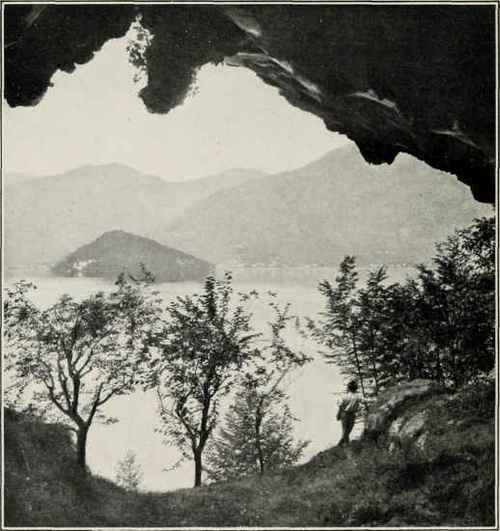
Beyond The Reach Of Motor Cars.
No horses pass my gates. No pungent trail of gasolene profanes the perfume of the roses on my garden wall. Occasionally, it is true, a cyclist whizzes by the terrace, likeadragon-fly, but such disturbers of the peace are rare. "Asure sign of advancing age," some readers will remark, in pity and amusement at so strange a choice. Yet what is age, if unvexed by infirmities, but the serene enjoyment of that better part of life for which the first was made?
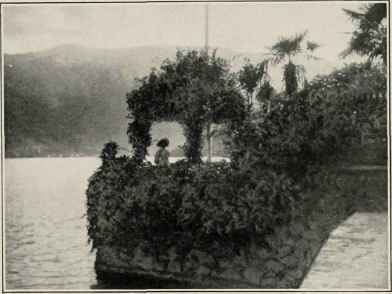
A Dustless Paradise.
Continue to:


My Books

