


How To Make A Pigeon Cote
Description
This section is from the book "Cassell's Cyclopaedia Of Mechanics", by Paul N. Hasluck. Also available from Amazon: Cassell's Cyclopaedia Of Mechanics.
How To Make A Pigeon Cote
Fig. 1 is a front view, and Fig. 2 a section, of a pigeon cote. Three nests may lie placed in each of the three openings. A piece of iron about 1/4in. thick bent to the shape of the hole over the drop-board is held inside by a hook on which it swings loose, thus allowing anything to go in the cote but not to come out. The piece A (Fig. 1) should be l 1/2in. wide by fin. thick, to hold the door. Two 3-in. hinges are required for the door, and a lock. The piece A should be sunk into the top and bottom to fix it. Bore twelve holes in the wood to let in fresh air, and a small window may be fixed in the side for light, if required. The roof should slant, as shown. A hole should be cut in the boards for the entry of the pigeons, and a drop-board about 10 in. long by 6 1/2 in. wide should project from the hole. At B (Fig. 2) two boards should project about 12in. inside at the back of the cote; also at the bottom, as at C, for the nests, etc. The wood required for this cote is 97 1/2 ft. of 6-in. by 3/4-in. stuff. The boards should be tongued and grooved to hold together better. Two strips of wood for each side will be required inside to hold the boards. A coat of tar, etc., could be given to make the cote watertight. The total height is 4ft. 3in., length 2ft., and width 3ft.
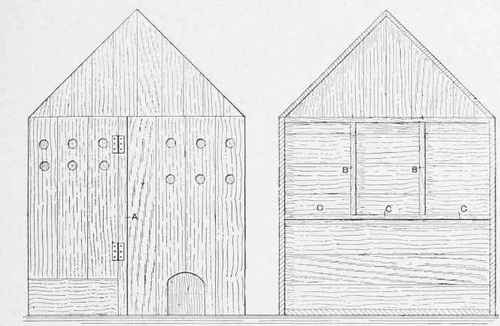
Fig. 1. Fig. 2. How To Make a Pigeon Cote.
Continue to:


My Books

