


202. Defects in Seamless Tubes
Description
This section is from the book "An Elementary Outline Of Mechanical Processes", by G. W. Danforth. Also available from Amazon: An elementary outline of mechanical processes.
202. Defects in Seamless Tubes
(1) Snakes are small surface cracks developed from surface cracks of the ingot. They are elongated in rolling, and are very small and hard to detect. They are more common in rolled plates than in tubes.
(2) Laps are thin fins of metal stretched and folded over the adjacent metal of the tube. They are caused in piercing.
(3) Pits are small depressions caused by over pickling or by rolling sand or scale into the tube surface.
(4) Slivers are tongue-shaped pieces of metal developed from blow holes or shrinkage cracks in the ingot.
(5) Tears are ragged openings in the tube surface caused inside by metal not passing freely over the mandrel at the draw bench, or caused outside by a rib of metal not passing evenly through the die. They are due many times to hard or weak spots in the metal.
(6) Checks are very small tears.
(7) Rings are transverse corrugations in the tube wall. They are caused by the jumping of the tube in drawing, due to poor bench equipment.
(8) Sinks are depressions extending around the inside of the tube. They are caused by a displaced mandrel, which allows the tube to draw to a smaller diameter than intended.
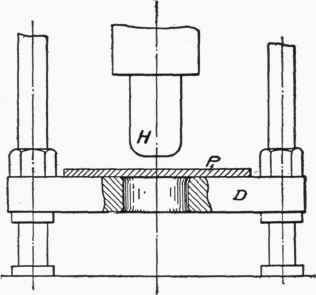
Fig. 75. - Making Hot-Drawn Tubes. Press for Cupping Discs.
(9) Scratches are due to rough dies and mandrels, to grit picked up by the tube after lubricating for drawing, or by insufficient lubricating.
Continue to:


My Books

