


Local Treatment Of The Stomach. 1. Lavage. (C) Friedlieb's Apparatus
Description
This section is from the book "Diseases Of The Stomach", by Max Einhorn. Also available from Amazon: Diseases of the Stomach.
Local Treatment Of The Stomach. 1. Lavage. (C) Friedlieb's Apparatus
Another very suitable 10 arrangement for washing out the stomach, especially if the patient has to perform the procedure himself, is an apparatus that has been in use in this country for many years, and is similar to the one described by Friedlieb.1 It consists of a long piece of soft-rubber tubing of about two yards in length, the middle of which is expanded into a bulb. The stomach end of the tube is provided with two big openings, while the other is shaped into a funnel (see Fig. 42).
In the withdrawal of the gastric contents with this apparatus the tube should be closed with two fingers at a point situated between the bulb and the lips of the patient. If the bulb is now compressed, and the two fingers applied to its distal side, then on relaxing the pressure on the bulb it will become filled with stomach contents. By again closing the upper end of the tube and compressing the bulb, the contents will flow out from the apparatus. In this way the contents of the stomach can be removed. The washing of the organ is now executed in the usual way by filling the funnel end with water, raising the same and lowering again. The bulb then need not be compressed if the water flows out easily. If the stream of water stops flowing before the entire quantity has left the stomach, then suction by means of the bulb must be performed as above described. Instead of using the fingers in order to compress the tube, two clamps on both sides of the bulb may serve the same purpose.
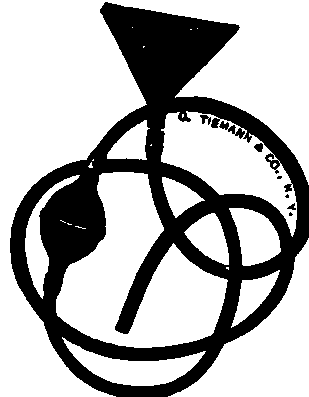
Fig. 42. - Friedlieb's Apparatus for Gastrio Lavage.
1 Friedlieb: Deutsche med. Wochenschrift, 1893, No. 51.
(d) Several writers have tried to wash out the stomach by means of a tube & double courant. Very recently J. 0. Hemmeter' in this country anew devised such an apparatus for this purpose. According to my opinion, however, all these devices are unnecessary. Lavage of the organ cannot be accomplished more thoroughly by means of these than by the three above-described simple apparatuses.
Continue to:


My Books

