


Illness. Conditions
Description
This section is from the book "Food - What It Is And Does", by Edith Greer. Also available from Amazon: Food: What it is and Does.
Illness. Conditions
Illness is the result of the body's not working well in its living-processes. The cause may be (1) absence of conditions necessary for wholesome living, as lack of proper diet; (2) infection, as bacteria in food, air, water; (3) disordered organs resulting from work-strain or past disease; (4) weakness of physical constitution, as tendency to tuberculosis.
During illness the diseased condition usually needs to be combated by medical means, but the food and conditions of living must also be adjusted to the prevailing state of the body. What changes in food and living are required by the changed conditions of the body, the physician must determine.
Food during serious disease must be accurately adjusted to the exact physical need. Sometimes disease so changes the body that special types of foods are particularly unfavorable. Some disease so wastes the body that it needs especial building. Disease of all kinds affects digestion, so necessitates modification of diet and most intelligent care of food for invalids. Complete freshness and cleanliness of food, person, and surroundings, with habitual proper nutrition, avert disease and give physical resistance to infection.
Disease introduces poisonous substances into the body. The weakened body usually fails of power to remove these, or even those of the waste products of its natural living.
Water is therefore generally needed in increased quantity, and food, in most cases of acute illness, in decreased (also in liquid form unless the physician otherwise prescribes).
Strength must not, however, be lost through unnecessary lack of nutrition. Food-habits should be as little disturbed as the conditions of the illness permit.
Convalescence
The period of returning strength after illness - requires that food be plentiful but easily digested.
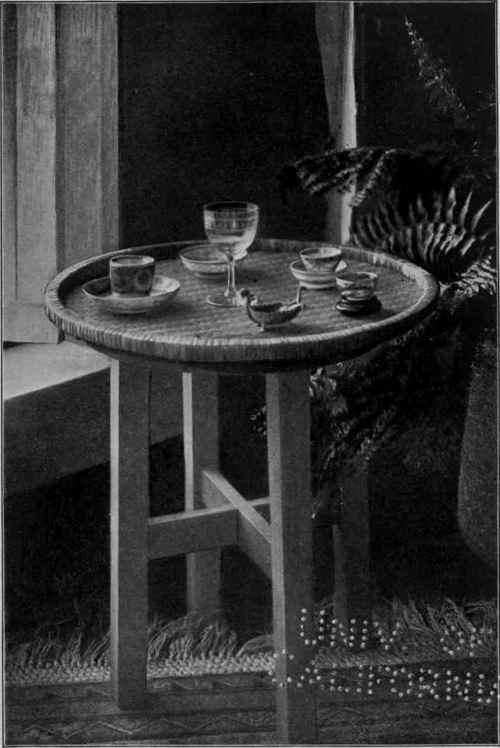
A TEA-TRAY.
Continue to:


My Books

