


The Dececo Closet
Description
This section is from the book "Improved Plumbing Appliances", by J. Pickering Putnam. Also available from Amazon: Improved Plumbing Appliances.
The Dececo Closet
A water-closet has been invented by Col. Waring which has many excellent points, entitling it to favorable notice among improved plumbing appliances. This closet is represented in Fig. 70. The waste matters are discharged by siphonic action. A weir-chamber is used below the trap to assist in charging the siphon. In our figure the weir-chamber is shown below the floor and is constructed generally of iron in a separate piece from the rest of the closet. In order to charge the siphon, the water is led into the basin through the supply pipe and the flushing rim until it overflows the outlet of the trap, and falls into the weir-chamber below. If the quantity is sufficient, it closes the inlet of the weir-chamber before it can escape through the outlet. This prevents air from entering the siphon. The air already there is carried out by the current of water and the siphon is formed. As soon as the water in the bowl descends to the bottom of the dip in the trap, air follows it and breaks the siphon. Then the contents of the weir-chamber fall below the inlet and allow the air again to enter the siphon. The bowl is refilled by the after-wash.
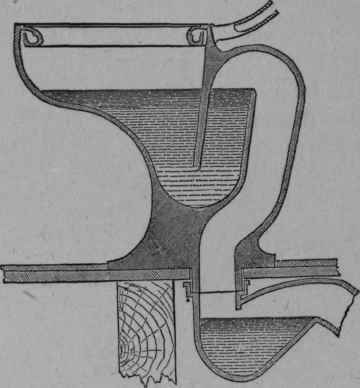
Fig. 70. - Waring's Dececo Water-closet.
This water-closet has a very deep and strong seal, and a body of standing water in the bowl of ample surface and deepest where depth is most needed. It is simple and uniform in action and works without spattering, and it is in these points superior to the "Wash-out" type of closets before alluded to.
Continue to:


My Books

