


Rooms In General. Part 3
Description
This section is from the book "The Decoration Of Houses", by Edith Wharton, Ogden Codman Jr. Also available from Amazon: The Decoration of Houses.
Rooms In General. Part 3
In deciding upon a scheme of decoration, it is necessary to keep in mind the relation of furniture to ornament, and of the room as a whole to other rooms in the house. As in a small house a very large room dwarfs all the others, so a room decorated in a very rich manner will make the simplicity of those about it look mean. Every house should be decorated according to a carefully graduated scale of ornamentation culminating in the most important room of the house; but this plan must be carried out with such due sense of the relation of the rooms to each other that there shall be no violent break in the continuity of treatment If a white-and-gold drawing-room opens on a hall with a Brussels carpet and papered walls, the drawing-room will look too fine and the hall mean.
In the furnishing of each room the same rule should be as carefully observed. The simplest and most cheaply furnished room (provided the furniture be good of its kind, and the walls and carpet unobjectionable in color) will be more pleasing to the fastidious eye than one in which gilded consoles and cabinets of buhl stand side by side with cheap machine-made furniture, and delicate old marquetry tables are covered with trashy china ornaments.
It is, of course, not always possible to refurnish a room when it is redecorated. Many people must content themselves with using their old furniture, no matter how ugly and ill-assorted it may be; and it is the decorator's business to see that his background helps the furniture to look its best. It is a mistake to think that because the furniture of a room is inappropriate or ugly a good background will bring out these defects. It will, on the contrary, be a relief to the eye to escape from the bad lines of the furniture to the good lines of the walls ; and should the opportunity to purchase new furniture ever come, there will be a suitable background ready to show it to the best advantage.
Most rooms contain a mixture of good, bad, and indifferent furniture. It is best to adapt the decorative treatment to the best pieces and to discard those which are in bad taste, replacing them, if necessary, by willow chairs and stained deal tables until it is possible to buy something better. When the room is to be refurnished as well as redecorated the client often makes his purchases without regard to the decoration. Besides being an injustice to the decorator, inasmuch as it makes it impossible for him to harmonize his decoration with the furniture, this generally produces a result unsatisfactory to the owner of the house. Neither decoration nor furniture, however good of its kind, can look its best unless each is chosen with reference to the other. It is therefore necessary that the decorator, before planning his treatment of a room, should be told what it is to contain. If a gilt set is put in a room the walls of which are treated in low relief and painted white, the high lights of the gilding will destroy the delicate values of the mouldings, and the walls, at a little distance, will look like flat expanses of whitewashed plaster.
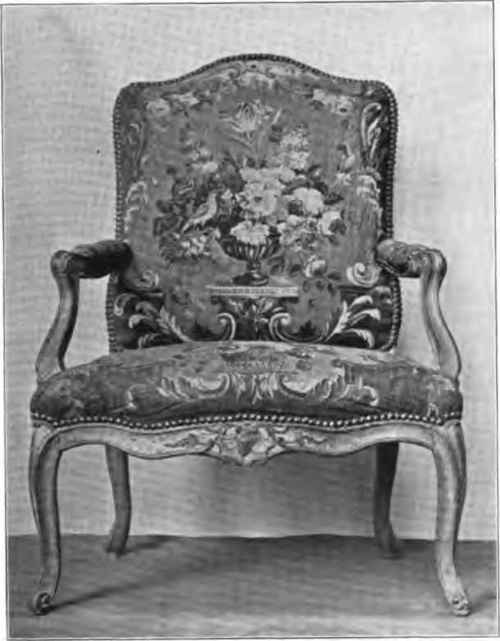
PLATE VI. FRENCH ARMCHAIR, LOUIS XV PERIOD.
When a room is to be furnished and decorated at the smallest possible cost, it must be remembered that the comfort of its occupants depends more on the nature of the furniture than of the wall-decorations or carpet. In a living-room of this kind it is best to tint the walls and put a cheerful drugget on the floor, keeping as much money as possible for the purchase of comfortable chairs and sofas and substantial tables. If little can be spent in buying furniture, willow arm-chairs1 with denim cushions and solid tables with stained legs and covers of denim or corduroy will be more satisfactory than the "parlor suit" turned out in thousands by the manufacturer of cheap furniture, or the pseudo-Georgian or pseudo-Empire of the dealer in "high-grade goods." Plain bookcases may be made of deal, painted or stained; and a room treated in this way, with a uniform color on the wall, and plenty of lamps and books, is sure to be comfortable and can never be vulgar.
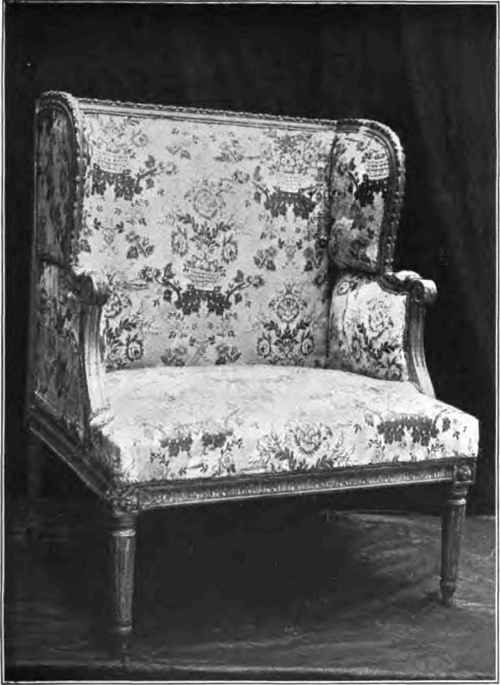
PLATE VII. FRENCH. BERGERE, LOUIS XVI PERIOD.
It is to be regretted that, in this country and in England, it should be almost impossible to buy plain but well-designed and substantial furniture. Nothing can exceed the ugliness of the current designs: the bedsteads with towering head-boards fretted by the versatile jig-saw; the "bedroom suits" of "mahoganized" cherry, bird's-eye maple, or some other crude-colored wood; the tables with meaninglessly turned legs; the "Empire" chairs and consoles stuck over with ornaments of cast bronze washed in liquid gilding; and, worst of all, the supposed "Colonial" furniture, that unworthy travesty of a plain and dignified style. All this showy stuff has been produced in answer to the increasing demand for cheap "effects" in place of unobtrusive merit in material and design; but now that an appreciation of better things in architecture is becoming more general, it is to be hoped that the "artistic" furniture disfiguring so many of our shop-windows will no longer find a market.
1 Not rattan, as the models are too bad.
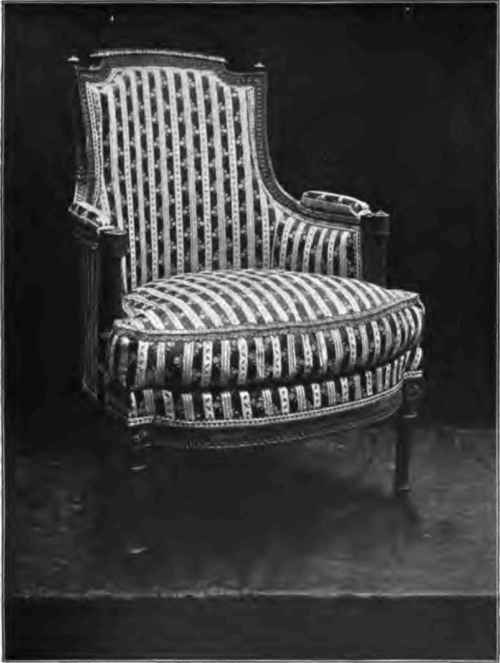
PLATE VIII. FRENCH BERGERE, LOUIS XVI PERIOD.
There is no lack of models for manufacturers to copy, if their customers will but demand what is good. France and England, in the eighteenth century, excelled in the making of plain, inexpensive furniture of walnut, mahogany, or painted beechwood (see Plates VII-X). Simple in shape and substantial in construction, this kind of furniture was never tricked out with moulded bronzes and machine-made carving, or covered with liquid gilding, but depended for its effect upon the solid qualities of good material, good design and good workmanship. The eighteenth-century cabinet-maker did not, attempt cheap copies of costly furniture; the common sense of his patrons would have resented such a perversion of taste. Were the modern public as fastidious, it would soon be easy to buy good furniture for a moderate price; but until people recognize the essential vulgarity of the pinchbeck article flooding our shops and overflowing upon our sidewalks, manufacturers will continue to offer such wares in preference to better but less showy designs.
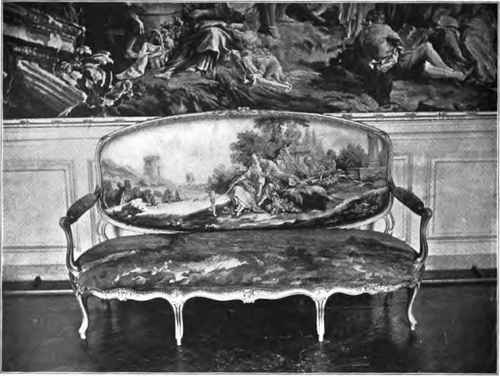
PLATE IX. FRENCH SOFA, LOUIS XV PERIOD.
TAPESTRY DESIGNED BY BOUCHER.
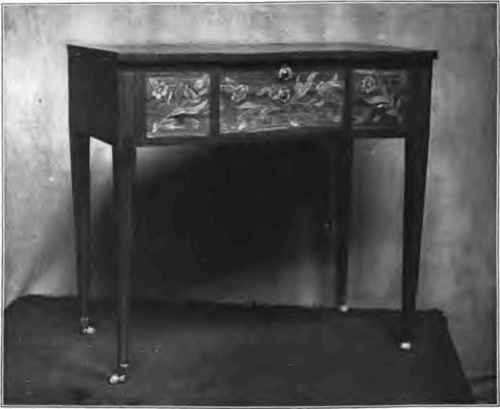
PLATE X. FRENCH MARQUETRY TABLE, LOUIS XVI PERIOD.
Continue to:


My Books

