


Rhymes And Rhythm
Description
This section is from the book "Time Out for Living", by Ernest DeAlton Partridge and Catherine Mooney. Also available from Amazon: Time Out for Living.
Rhymes And Rhythm
Have you ever sat on the seashore and watched the waves pound on the beach? The roar of the surf is so regular that you can close your eyes and know when the next wave will come rumbling in. Sometimes the steady surge and fall of the waves even beat out an imaginary tune. If you have never been fortunate enough to hear the roar of the waves, you have certainly heard the singing of crickets in the early fall. You can hear their chant rising and falling like the throbbing of your heart in your ears when you are trying to be especially quiet.
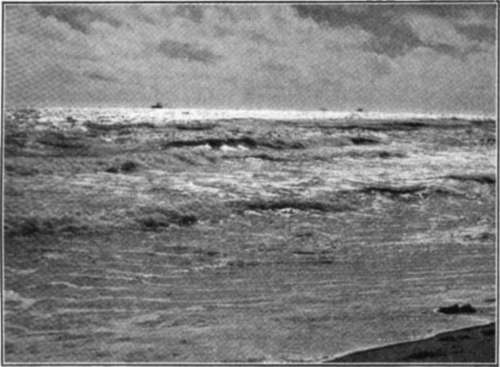
The rhythm of the ocean and the steady beat of the waves upon the shore have inspired many writers.
These regular movements and sounds in nature are known to us as rhythm. You will find this same regularity in countless forms about you - the ticking of a clock, the throb of an engine, the breathing of an animal. All of these are expressing rhythm, something that seems to be exceedingly pleasant to man. The savage beating his drum, the leader of a symphony orchestra, the Indian medicine man chanting monotonously, and the modern poet reciting his works - all of these are expressing the human desire for rhythm.
And so it is that some people find it necessary to express their thoughts in words that are combined in such a way that they have rhythm. These expressions we call poetry. To some persons, poetry is the type of expression that gives them the most satisfaction. All of us are perhaps poets at heart, at least sometime during our lives. Comparatively few, however, take poetry seriously enough to become skilled in poetic expression.
Perhaps you have never tried to express your thoughts in verse. Expression of this kind is not very difficult, and you may get an unusual satisfaction from it. Note the short poems below that were written by students about your age. Somehow you cannot help feeling that the authors of these lines enjoyed writing them. They have created something that no one else could have done, because no one else thinks or feels exactly as they do. Poetry is essentially a matter of how you feel; that is why it is often called an emotional method of expression.
The Way Of The City. By Carol
Tramp, tramp,
Some fast, some slow,
Short steps, long steps,
Heavy ones, light ones.
People coming, people going,
Always moving, going forward,
Destinations, none the same.
Young and old, they go on their ways
In between the walls of stone
Slowly wearing time away
Tramping . . . tramping . . .
WATER by David
Stretching far out in the distance
Water, only water, Thing unbounded, ending nowhere
Water, only water, Thing with every type of mood
Water, only water, Laughing, lapping, splashing, crashing
Water, only water.
You, too, can write verses like that, and enjoy them. Sometime when you have seen a beautiful picture, or a sunset, sit down and try to express your feelings in words. Do not worry particularly about the form in which they come or the way they sound at first. Write what you feel. Then, by reading over your verses, you can see how they might be improved here and there. In such a way you can learn to write poetry.
At first, when you write your thoughts in verses, you may not care to have others read them. But sooner or later a time will come when you will want to compose a little poem and send it to a friend. It may be for your Christmas cards or for a special birthday greeting. It may be a comical note inviting friends to a party. Try it!
Continue to:


My Books

