


Blown Sand
Description
This section is from the book "An Introduction To Geology", by William B. Scott. Also available from Amazon: An Introduction to Geology.
Blown Sand
Wherever a sandy soil occurs unprotected by vegetation, as in deserts or along the seacoast, the wind drifts the sand and piles it up into hills or sand dunes. The dunes are roughly divided into layers, the thickness and inclination of which depend upon the force and direction of the wind, and often imitate the confused arrangement of sands piled up by waves and currents under water. The sand-grains of the dunes are, however, more rounded by the abrasion which they have undergone and, especially in deserts, they are apt to be smaller. When the sands are mixed with pieces of shells and other calcareous material, percolating waters, by dissolving and redepositing the CaCO3, may cement the sands into firm rock. This is the more conspicuous when the whole material is calcareous, as in the shell sands of Bermuda. This substance, ground up by the surf, is transported inland by the wind and piled up into dunes. Rain-water cements the loose grains together, and by the alternate accumulation by wind and cementing by rain is formed the stratified aeolian or drift-sand rock.
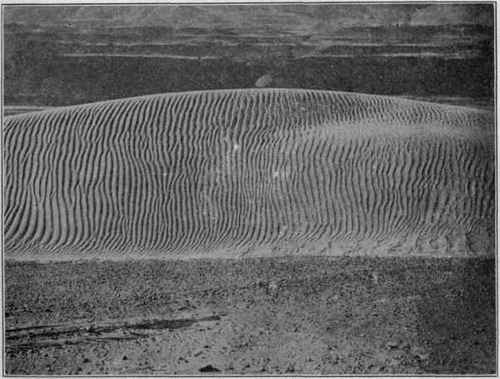
Fig. 85. - Sand dune with wind-ripples, River Terraces in distance; Biggs, Oregon, (U. S. G. S).
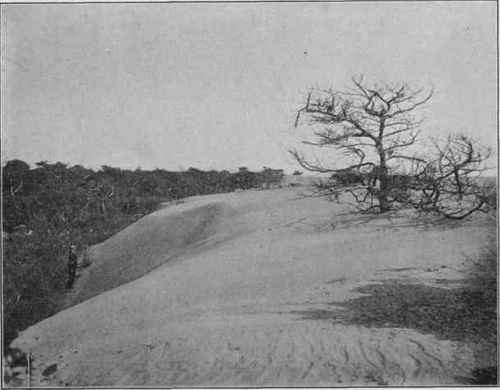
Fig. 86. - Sand dune; Beaufort Harbor, N.C. (U. S. G. S).
Continue to:


My Books

