


Chapter XXI. Adjustment Of Rivers
Description
This section is from the book "An Introduction To Geology", by William B. Scott. Also available from Amazon: An Introduction to Geology.
Chapter XXI. Adjustment Of Rivers
Rivers are among the most powerful of the agents of topographical development, and it is important to understand something of their modes of change and adjustment. These changes are sometimes exceedingly complex and puzzling, for rivers do the most unexpected things in what seems an utterly capricious and whimsical way. We often see rivers breaching hills and even vast mountain ranges, cutting their way through enormous obstacles, which a slight deviation from their course would, seemingly, have enabled them to avoid. They apparently choose the difficult and shun the easy path. The general explanation of these paradoxical results is, that the river began its flow when the topography was entirely different from its present state of development. It is this fact which renders the rivers such valuable aids to the geologist in his attempts to reconstruct the past, for the apparent whims and caprices are really the necessary results of law.
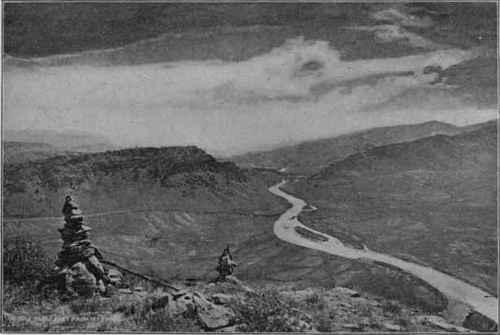
Fig. 246. - Stream cutting through a ridge, Middle Park, Col. (U. S. G. S).
Continue to:


My Books

