


III. Surface-Thrusts
Description
This section is from the book "An Introduction To Geology", by William B. Scott. Also available from Amazon: An Introduction to Geology.
III. Surface-Thrusts
Surface-Thrusts, as their name implies, are formed at the earth's surface, where a rigid, gently inclined stratum that crops out of the ground is subjected to lateral compression and thrust forward over the underlying beds. Such a condition arises, for example, when an anticlinal fold has been planed down by erosion, so that some of the beds lying on the flanks of the fold are truncated and crop out freely; when renewed compression is applied to the fold, the more rigid bed will be pushed forward over the beds beneath, or it may be fractured and overthrust not far below the surface, as shown in the figure (Fig. 186). Instances of surface-thrusts have not been identified in great numbers, though there is no reason to doubt that they are common, for they cannot always be distinguished from fold-thrusts without careful study. They have been found in the southern Appalachians and, on a great scale, in Montana.
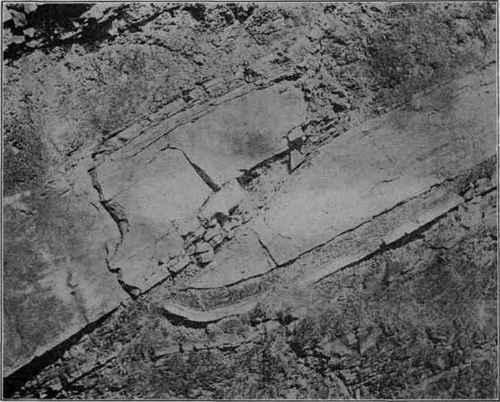
Fig. 185. - Surface-thrust of small displacement. (U. S. G. S).
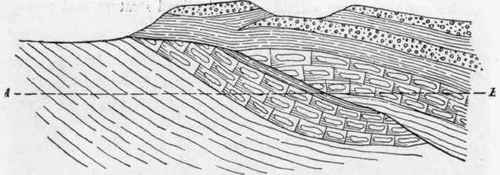
Fig. 186. - Surface-thrust, Holly Creek, Georgia. (Hayes).
Continue to:


My Books

