


The Causes Of Volcanic Activity
Description
This section is from the book "An Introduction To Geology", by William B. Scott. Also available from Amazon: An Introduction to Geology.
The Causes Of Volcanic Activity
Many theories have been advanced to explain the causes of vulcanism, but, it must be candidly admitted, none of them is satisfactory. In an elementary book, like this, no adequate discussion of this most difficult problem can be given, but merely a brief sketch of some of the ways in which its solution has been attempted. This problem is intimately connected with those concerning the origin of the Solar System and the planetary evolution of the earth, which are astronomical rather than geological in their nature.
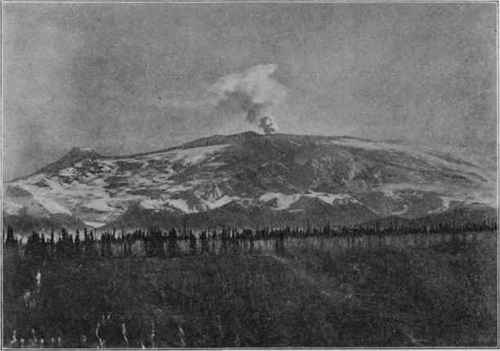
Fig. 31. - Mt. Wrangel, Alaska. (U. S. G. S).
The principal questions for which an answer must be found in any complete and adequate theory of vulcanism are as follows: (1) What is the depth of the reservoir whence the volcanic materials are derived? and, consequently, what are the relations of the different vents, near and remote, to one another? (2) What causes the high temperature of volcanic materials? (3) What is the origin of the steam and other vapours and gases? (4) What produces the ascensive force of the lava? (5) Why should volcanic action be so generally intermittent? (6) The past and present distribution of volcanoes should be explained, as also the shifting of activity, which dies out in one region and appears in another.
What Is The Depth Of The Reservoir Whence The Volcanic Materials Are Derived?
(1) No certain answer can yet be given to any of these questions, chiefly because we can observe only what goes on at the surface of the earth and still remain ignorant concerning the physical condition of the interior. Hence, nothing is known as to the depths from which the volcanic materials rise. According to one view which is quite widely held, the reservoirs of lava are local and comparatively superficial, which would explain the fact that vents which are quite near together may be entirely independent of each other and eject very different materials. This view is further confirmed by the speedy exhaustion of many volcanic vents, a large number of which have had but a single eruption. According to. this hypothesis, the length of time during which a volcanic region remains active is determined by the size of the reservoir which supplies it.

Fig. 32. - Truncated tuff cone, island of Oahu. (Photograph by Libbey).
On the other hand, it is maintained by many students of vulcan-ism that the material is derived from a deep-seated layer of actually or potentially fused material, which everywhere underlies the surface of the earth. In support of this opinion, it is pointed out that often widely separated volcanoes are evidently connected in some manner, and that the volcanic products of all regions are closely similar. These two hypotheses are not altogether contradictory, for it is quite possible that some volcanoes may be supplied from shallow reservoirs which are soon exhausted, and others from a deeper and general source of supply.
Continue to:


My Books

