


Canada. Part 19
Description
This section is from the book "Canada - John L. Stoddard's Lectures", by John L. Stoddard. Also available from Amazon: John L. Stoddard's Lectures 13 Volume Set.
Canada. Part 19

Drive Around Melville Island.
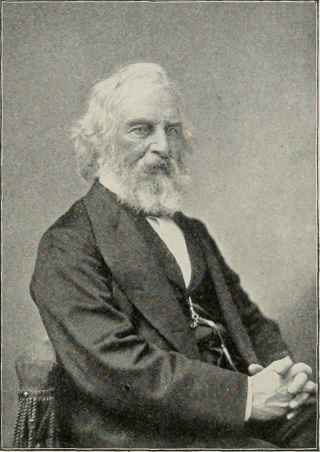
Longfellow.
However unsubstantial may have been the legend here referred to, "Evangeline" is founded on a genuine historic episode, whose pathos would have long survived, even without the aid of poetry. As is well known, the Acadians were French, and naturally sympathized with their compatriots in that desperate rivalry of two great races, which made of North America a scene of bloodshed for fifteen decades, and ended only on the Heights of Abraham. Hence, although Nova Scotia had been ceded to Great Britain in 1713, these people still remained unreconciled, and would not transfer their allegiance to their conquerors. They took, it is true, a qualified oath of submission, provided they should never be called on to bear arms against the French; but they repeatedly refused to make that oath an unconditional one of loyalty to the English king. They even secretly aided the enemies of the British, and hoped to see them regain the peninsula. This state of affairs continued forty years; and, at the end of that time, the French of Acadie still loved their mother country just as ardently, and no less cordially detested England. Those who are hostile to them call this obstinacy; those who admire them name it patriotism.
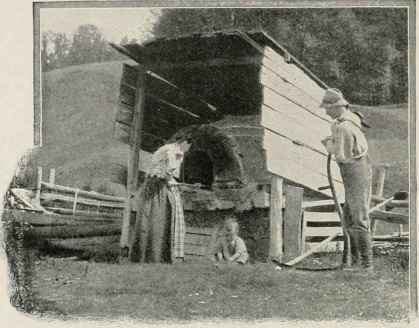
Baking Bread In The Field.
The probability is that they would not have proved so obdurate had they been left to themselves; for their religious freedom was not interfered with by the English, and many concessions were made to them in the hope of winning their affection. They were, however, kept in a continual ferment by the entreaties, arguments, and menaces of agents from the Province of Quebec, as well as by the efforts of their priests, who often went so far as to threaten them with excommunication and the pangs of hell, if they in any way allied themselves with English heretics. Believing that fidelity to God meant loyalty to Louis XV., about seven thousand of them actually left their comfortable homes, and migrated to New Brunswick or to Cape Breton, where they endured for years the misery of poverty, cold, and hunger. Those who remained in Acadie carried to such an extent their hatred of the British that they refused to sell them food or fuel, except at most exorbitant rates, and often positively declined to work for Englishmen at any price, though gladly laboring for the French at lower wages. This spirit was the more alarming, because the Aca-dians had learned the art, so rarely acquired, of making the surrounding Indians their friends; and these, as a rule, were allies of the French against the English. In vain were these irreconcilables warned that, if they still persisted in this course, their property would be seized, and dire punishment be visited upon them. Having so long and bravely battled with the sea, eventually wresting from its clutch great tracts of fertile territory which they defended with huge dikes, they did not hesitate to make an equally determined stand against their human foes. The British, therefore, certainly had reason to be apprehensive that, if a French fleet should appear in the Bay of Fundy, the entire colony of Acadians would rise in arms, and joined by the famished exiles over the border, and their friends, the Indians, would make a desperate attempt to win this coveted region back to France.

A French Canadian Barn.

French Canadian Oxen.
French Canadian Farm Scene.
Accordingly, in 1755, the deportation of these people was resolved upon. On the 5th of September of that year the males of the community residing near the Basin of Minas, from gray-haired sires to boys of but ten years, were summoned to the church of Grand Pre, to listen to a message from the king. Once gathered in the sacred edifice, they were imprisoned there by soldiers, and informed that on account of their refusal to take the unconditional oath of fealty, their houses, farms, and cattle had been confiscated to the Crown, and that they themselves were all to be embarked on ships, and taken to other portions of America. These tidings were as unexpected as an earthquake shock. Only the day before the British officer in command reported, "All the people quiet, and very busy at their harvest." The order was, however, carried out relentlessly. Forced by the bayonets of the troops the unhappy farmers were compelled to march a mile and a half to where the transports awaited them; and as they went, - some pale with rage, some weeping with emotion, - their mothers, wives, and children followed, lamenting piteously and imploring God to help them. Some of the women carried babies in their arms; others dragged their infirm and aged parents in carts, with the few poor household goods which they could take with them.
Continue to:


My Books

