


A Typical Vineyard
Description
This section is from the book "Beverages And Their Adulteration Origin, Composition, Manufacture, Natural, Artificial, Fermented, Distilled, Alkaloidal And Fruit Juices", by Harvey W. Wiley. Also available from Amazon: Beverages And Their Adulteration.
A Typical Vineyard
The vineyard shown in Fig. 36 is the most famous of the vineyards of Portugal. The illustration shows the approach to the residence and outbuildings and also the nature of the walls which have been built to retain the soil of the vineyard. Much of the excellence of this vintage is due to the care exercised by the manager and his skilled assistants who serve all their lives in one place. It is known to history as long ago as 1715. In 1867 the International Jury of Paris awarded the gold medal to the proprietors of this vineyard as being the most handsome in the Douro. As long ago as the year 1446 special privileges were granted by the King of Portugal to English merchants. In 1790 a British Factory House, or Club House, was constructed. It is now known as the British Association. The chief part of the Port wine produced in the Douro valley is handled by the English merchants. The demand in England alone, prior to the war, for the best Ports practically absorbed all of the production of the most famous of the vineyards of Portugal. Very few brut Port 16 wines reach the outside world. The Port of commerce is usually blended from many or all of the principal wines of the Douro district to make a wine of uniform character for general export purposes. A little vintage wine may be secured, however, by the right parties who know where to buy.
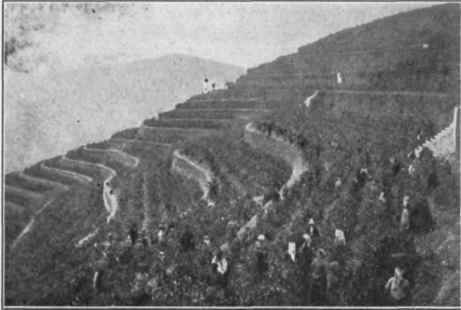
Fig. 35. Utilizing the hillside in Portugal. (Courtesy of F. Challoner, London.)
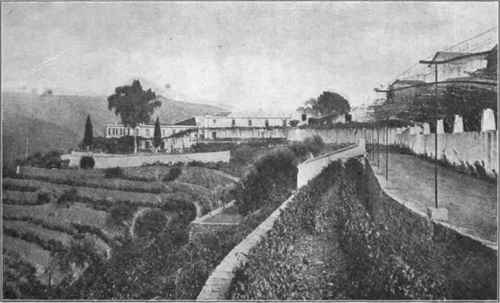
Fig. 36. A typical Port vineyard. (Courtesy of F. Challoner, London.)
Continue to:


My Books

