


Calisthenic Exercises, Etc. Part 2
Description
This section is from the book "The Illustrated London Cookery Book", by Frederick Bishop. See also: How to Cook Everything.
Calisthenic Exercises, Etc. Part 2
In furnishing a kitchen there should be everything likely to be required, but not one article more than is wanted, unnecessary profusion creates a litter; a deficiency too often sacrifices the perfection of a dish, there should be a sufficiency and no more. The following articles, of which we have given engravings, are requisite: we are indebted for nearly all the drawings to the courtesy of Messrs. Benham, ironmongers, Wigmore Street, Cavendish Square.
No. 1. Wafer Tongs
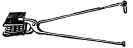
The thin, crisp cakes, called wafer cakes, usually eaten with ices, are made with this instrument. The paste is rolled very thin, and1 placed between the flat plates of the tongs, which have been previously heated on the hot plate or range hob. They are pressed tightly in this for a few minutes, and when taken out are thoroughly baked, and bear the impress of the pattern of the tongs.
No. 2. Hot Water Dish
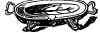
Hot Water Dish with double bottom, to be filled with hot water for serving up joints which are liable to be quickly chilled.
No. 3. Mortar

Made in iron, brass, earthenware, marble, etc.
No. 4. Pestle

Made of the same material as mortar, or, which is better than either, of lignum vitae. Used for pounding sugar, spices, and other ingredients of the culinary art.
No. 5. Wood Block, Or Stand
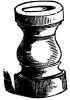
Wood Block, or Stand, for ditto.
No. 6. Bailing Plate

A loose tray, made to fit the oven, to contain small pastry, etc, which may require careful removal.
No. 7. Water Filter

For purifying cistern water for the table.
No. 8. Dish Cover

8. Wire Dish Cover, to protect meat, pastry, etc, from flies and dust in the larder.
No. 9. Benham's Patent Freezing Machine
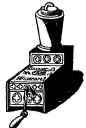
Benham's Patent Freezing Machine, by which creams, etc. can be frozen fit for the table in five minutes, with the greatest ease and certainty. Wine can also be iced by the machine.
No. 10. Tin Canister

Tin Canisters or Boxes, for the
No. 11. Coffee Canister

Storeroom, to contain tea, coffee,
No. 12. Sugar Canister, With Drawers
Sugar, biscuits, rice, etc. The

No. 13. Biscuit Canister

Covers fit very tightly, -to exclude the air. They are frequently lettered in front to distinguish them.
Continue to:


My Books

