


Chapter XXI. How To Make Cakes, Buns, Biscuits, Bread, Etc
Description
This section is from the book "The Illustrated London Cookery Book", by Frederick Bishop. See also: How to Cook Everything.
Chapter XXI. How To Make Cakes, Buns, Biscuits, Bread, Etc
Requisite Information For Making And Baking Cakes
Currants are so frequently used in cakes that you should he very particular in having them nicely washed, dried, and all sticks and stones taken from them, and then put before the fire to dry, as, if damp, they will make cakes and puddings heavy; therefore, before you use them dust a little flour lightly over them.
Eggs should be always a long time beaten, the whites and yolks separate, taking out the tread.
Sugar should be well pounded and sifted through a drum or lawn sieve, and kept well dried.
Lemon peel should be either rubbed on sugar or grated fine, if so, sprinkle some sifted sugar amongst it to keep it a good colour.
The lightness of all cakes depends upon the whipping of them, and at last being well incorporated.
If you use yeast to your cakes they will require less butter and eggs, and will eat almost equally as light and rich; but if the leaven be only of milk, flour, and water, it becomes more tough than if the butter was at first put with the ingredients, and the dough set to rise by the fire.
The heat of your oven is of particular importance for baking cakes or pastry - more particularly large cakes - as at first, if not pretty brisk, they will not rise; then, if likely to brown too quick at the top, put a piece of paper upon the top of the cake so not to touch the batter. It should be lighted some time before hand, so as to have a good solid body of heat. To know when your cake is done you will see in another place in the book. If the oven is not hot enough, add more fire into it.
Bread and tea-cakes made with milk eat best when new, as they become stale sooner than others.
Never keep your bread or cakes in wooden boxes or drawers, but in tin boxes or earthen pans, with covers.
1453. Crust, Short And Rich, But Not Sweet
To eight ounces of fine flour rub in well six ounces of butter, make it into a stiffish paste with a little water; beat it well, roll it thin, and bake it in a moderate oven.'
1454. Short Crust
Take two ounces of white sugar, pound, sift, and dry it, mix it with a pound of well-dried flour, rubbing well into it three ounces of butter; put the yolks of two eggs into some cream, and then mix the whole into a smooth paste, roll it out thin, and bake it in a moderate oven.
1455. Small Almond Cakes
Take half a pound of blanched almonds, beat them to a paste with white of eggs, add three quarters of a pound of powdered sugar, one of orange flowers pralinee, and two ounces of cream; take some very thin puff paste, cut into small squares, and put a portion of the above mixture on each; moisten the edges, cover them with puff paste, dorez, prick and bake them in a hot oven; when done ice them with sugar.
1456. Banbury Cakes
Press in a little dough (with a pound of flour) two table-spoonfuls of thick yeast, and a gill of warm milk; let it work a little, then add half a pound of currants washed and picked, half a pound of candied orange and lemon peel cut small, and a quarter of an ounce each of nutmeg, ginger, and allspice; mix the whole together with half a pound of honey, and put into puff paste cut in an oval shape; cover and sift sugar over. Bake them fifteen minutes in a moderate oven.
1457. Almond Icing For Cakes
Take equal parts of blanched sweet almonds and loaf sugar, pound them fine in a mortar, pass the whole through a moderately coarse wire sieve; then mix the whole into a paste of moderate consistence with the yolks of eggs, and spread over the top of the cake after it is baked; dry the almond icing before the fire or in a very cool oven, and when it is cold ice the cake with the sugar icing.
1462. Hot Breakfast Or Tea Cakes
Put about six handfuls of flower in a basin, about half-a-pint of new milk, a small piece of butter; warm the milk, and mind hotter in winter than in summer; mix in a cup two ounces of German yeast with a little cold water, mix the yeast with the milk and butter, make a hole in the flour, pour the mixed milk and yeast into it, stirring it round until it is a thick batter; beat up one egg and mix into it, cover it over and keep it warm in your screen; when it has risen a little mix it into a dough, knead it well, put it again in the screen, and when it has risen a good deal, take and form your rolls. They will take nearly half an hour or according to the size you make the cakes, rub them over while hot with your paste brush dipped in milk.
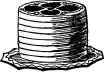
1463. Bordeaux Cake
Pound cake, with alternate layers of preserves, with jam on the top.
1464. Diet Bread Cake
Three quarters of a pound of sugar, three quarters of a pound of flour, and eight eggs; put your sugar and eggs together into a basin or pan, with half a pint of lukewarm water; beat them all well up with a whisk the same as for sponge cakes, over a slow fire until quite warm, take them from the fire and whip them until cold, add the grating of one lemon, then mix in the flour lightly, adding some carraway seeds if they are liked; do not fill your moulds, they should be square paper cases buttered.
1465. Butter Cakes
Form with your hands a dish of butter into a cream, add two pounds of sifted sugar, three pounds of dried flour, and two dozen eggs, leaving out half the whites, then beat altogether for an hour. Previous to baking it, you may add some seeds and currants, an ounce of mace, a nutmeg, and a little brandy.
Continue to:


My Books

