


Varieties Of The Pear: K
Description
This section is from the "American Horticultural Manual Vol2" book, by J. L. Budd. Also available from Amazon American Horticultural Manual, Part Two.
Varieties Of The Pear: K
Kieffer
Large, oval, narrowing at both ends, but variable in shape; often roundish and nearly obtuse pyriform; color yellow with brighter shade in sun; patches and netting of russet, and brown russet dots, often nearly covering the yellow ground; stalk rather short, stout, and inserted in medium cavity. Flesh whitish, somewhat coarse, juicy, half melting, sweet, only good. Double starred in many States as a market and kitchen variety. A Chinese hybrid.
Kingsessing
Large, obtuse pyriform; color greenish yellow with numerous small green or gray dots; stem quite long, curved, and fleshy at insertion in broad uneven cavity; basin large, irregular, corrugated. Flesh whitish, quite coarse, juicy, buttery, melting sweet, perfumed, very good. Grown in Ohio and the southeastern States. Pennsylvania.
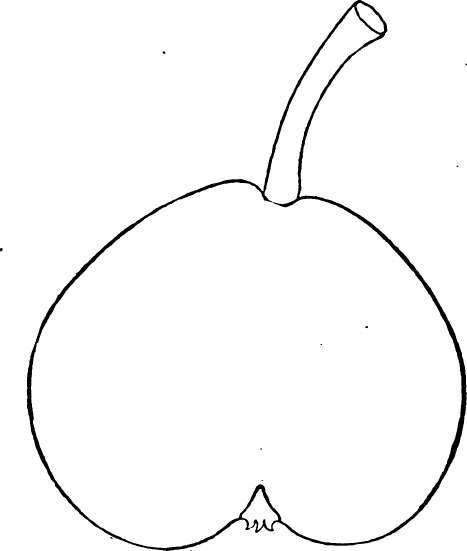
Kirtland
Small to medium, obtusely obovate, sometimes pyriform; color bright yellow, mostly covered with light russet, with red streaks in the sun; stalk short, stout, inserted in small cavity; basin shallow and broad. Flesh melting, juicy, sweet, aromatic, very good. Season, early fall. Grown for dessert use mainly. Ohio.
Koonce
Medium, pyriform; color greenish yellow with bronze cheek, and small russet dots; stem one inch long, inserted in mediumsized regular shallow cavity. Flesh white, granular, flavor poor. Used for market and kitchen in Illinois. Illinois.
Krull
Medium, yellow, with bloom; skin thick. Flesh melting, juicy, good. Keeps into winter. Grown in Pennsylvania and New Jersey.
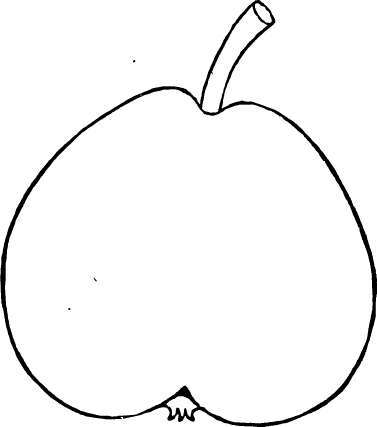
Kirtland.
Continue to:


My Books

