


January - First And Second Weeks. Fruit. Part 2
Description
This section is from the book "The Garden Week By Week Throughout The Year", by Walter P. Wright. Also available from Amazon: The Garden Week by Week Throughout the Year.
January - First And Second Weeks. Fruit. Part 2
Pruning Apricots
The Apricot is not much grown in these days, because people who have wall space prefer to use it for cordon Apples and Pears, the planting of which I shall recommend in November. Apricots are generally grown as fan-shaped trees, like Peaches. A number of main branches is secured by cutting back young trees as advised for Apples, and these are then fastened to the wall with nails and shreds. Such side shoots as there may be room for are tied in between, but the majority are summer pruned. The winter pruning consists in cutting back the superfluous side shoots.
Pruning Cherries
It is a rule with growers of Cherries to prune them as little as possible. Practical fruit men say: "Cherries don't like the knife." This is true. Fortunately Cherries do not require much pruning if the trees are well shortened when first planted. In this respect they may be treated just like Apples; in fact, when Cherries are young they have to be pruned whether they like it or not, to develop and shape the trees. Cherries are often grown fan-shaped, and this means early shortening. As a rule, the trees assume a naturally open and spreading habit when they have been shortened two or three times while young, and, given this, fruitfulness will follow with very little annual pruning. Should the trees get thick they must be thinned, and this may be done when they are in full leaf. Morello Cherries, which bear their fruit on young wood, need no pruning other than thinning the shoots if very thick. The less they are cut the better.

Fig. 11. - First Shortening of Peach or Cherry to form a Fan.
a. Point of shortening the maiden tree.
b. The direction of the new shoots.

Fig. 12. - The Second Shortening of Peach or Cherry.
Prune as denoted by the dark cross lines.
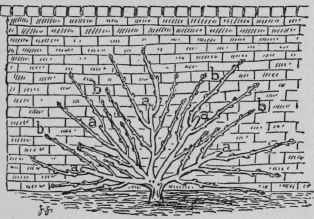
Fig. 13. - The Third Shortening of a Peach or Cherry.
a. Where the branches were cut off the second year.
b. The resultant new shoots, which must only be thinned out to prevent overcrowding.
Pruning Currants
Young Currants are developed by cutting back, just as other fruit trees are. If by these means the pruner can secure a bush with eight or nine branches nearly a foot apart, the only pruning he need do in the case of Red and White Currants is to cut back the young side shoots to their base, and this may be done in January. The fruit will come on the old, mature branches. With Black Currants the reverse holds, as the best fruit is borne on the young wood - that is, the fruit of one year is borne on the wood made the previous year.

Fig. 14. - Pruning Red Currant.
a. Side shoots to be cut off at the dark lines.
b. Leading shoot to be shortened. c. Shoots cut back.
d. A separate leading shoot, e. The side shoots shortened.

Fig. 15. - Pruning Black Currant.
a. Old branches to be cut off.
b. Young ones to be kept.
c. A separate young branch; the kind to retain.
Continue to:


My Books

