


Lesson 25. Dishes For Dessert
Description
This section is from the book "Food And Health: An Elementary Textbook Of Home Making", by Helen Kinne, Anna M. Cooley. Also available from Amazon: Food And Health: An Elementary Textbook Of Home Making.
Lesson 25. Dishes For Dessert
There are many desserts as nice, easier to make, and better for us to eat than pie. What are some that we can make?
Miss James explained to her class that puddings and pies contain good food material, and said once more that they are a part of a dinner or supper, not to be eaten when we are fully satisfied. The pudding or pie for dessert does not need to be expensive.
One of the schoolgirls asked if they might not have an exhibit of different desserts. This lesson has a few pictures of those that were displayed. By each plate there was a neatly printed card giving the recipe, the length of time taken to make it, and the cost. The amount of time that we put into cooking is something that we should be careful to watch. While we may enjoy eating a sweet dish at the end of the meal, how foolish it is to spend an hour or more in fancy cooking when there are other things to do that are so much more interesting and worth while. The dish may be attractive in appearance and yet quite easy to make. If you have an old-fashioned cook book at home, you will be interested to see how much time was sometimes given to the making of an elaborate dish to be eaten in a very few minutes.
How many kinds of dessert are there? Pies and tarts and puddings, both hot and cold; fruit in every shape; jellies, custards, ices and ice cream; nuts and raisins; crackers and cheese alone or with fruit. One very simple dessert for a hot day is sour-milk cheese, or cream cheese with crackers and a little jam or jelly.
Our desserts may be made of eggs, milk, cream, gelatin; stale cake and bread; baking-powder biscuit crusts, shortcakes, and pastry. We also use starchy sub-stances, - cornstarch, arrowroot, tapioca, and manioca; and fruit of every possible kind. The animal products important in desserts, in addition to milk and eggs, are beef suet, butter, and lard.
You will find it very amusing to study several cook books, and see how many desserts can be made from these materials. We have not room for many in this little book, but there are a few to try at home and, perhaps, at school.
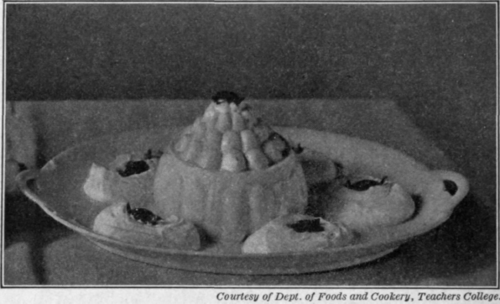
Fig. 105. - A gelatin mold is an attractive dessert.
Fruit desserts. In the lessons on fruit you have learned something about its use for dessert: fruit stewed, fruit scalloped, and fruit with a baking-powder crust. Here is another kind of fruit dessert for a hot day:
Continue to:


My Books

