


Wholesomeness. Flour
Description
This section is from the book "Food - What It Is And Does", by Edith Greer. Also available from Amazon: Food: What it is and Does.
Wholesomeness. Flour
Bread, the "staff of life," is a staple food of humanity.
Every one may not see a wheat-field and flour-mill as related to making bread. All may not even realize that flour is the principal ingredient in this, but it is. Descriptions of fields and mills show but vaguely the growth and activity through which flour is produced. Only seeing the processes makes real the part the field and mill have in their product - flour and its products, flour-mixture foods.
(Ask parents or teachers to make such seeing possible. If it cannot be now, reserve it as something to be done when the opportunity offers).
Wheat grows from different seeds and at different seasons. It is ground into flour. It is milled as many different flours : as entire-wheat, graham, white bread-flour, pastry-flour, and macaroni-flour. Use, if possible, bread- and pastry-flour.
Other grains, as rye, rice, corn, grow similarly. They are similarly treated and serve as flour or meal. See all flours, also different qualities. Use as many as possible.
Flour is always the product of grinding grain. The quality of the grain, the mixing of the products of the various siftings, the care in handling and storing the flour, and the health of workers determine the quality and wholesomeness of flour-products. Grains must be dry and clean, and kept so.
Otherwise they become diseased and carry illness instead of health-giving food to humanity.
Composition of food substances largely controls their usefulness, but their characteristics control their usableness. What is in a food feeds the body. But how nature has arranged and composed food-materials affects whether they can be of use in the body. Bran even finely ground is not digestible. When mixed with other siftings, as in graham flour, it still does not digest and may irritate the intestine.
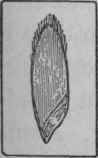
Oat-grain.
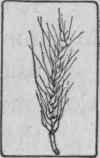
Wheat.
Continue to:


My Books

