


36. Guy Derricks
Description
This section is from the "Safety In Building Construction" book, by The Travelers Insurance Company Hartford, Connecticut. Also see Amazon: Safety In Building Construction.
36. Guy Derricks
Derricks of this type are used in nearly all of the operations of building construction, and they are made both of timber and of latticed steel. All the guys should be of plow-steel wire of ample strength. These guys should preferably be galvanized, for protection against the weather. The galvanizing should be done to order, however, and ordinary galvanized cables should not be used. Eyes should be formed in the guys, at the masthead end, by bending back the ends of the cables and clamping the ends with at least three clamps specially designed for the purpose. Place thimbles in these eyes, in all cases, to prevent chafing the cables. Secure the guys to the guy plates by means of shackles, and place cotters in the ends of the shackle pins. Collars should be secured in place above the guy plates in the same manner as recommended for stiff-leg derricks.
The way in which guy derricks are anchored will naturally depend upon the location and upon the conditions under which the work is done. When logs buried in the ground (commonly called "dead-men" or "dead-logs") are used for anchorage, they should be placed at a suitable depth, in trenches. After the trenches are filled they should be planked over and additional weight placed upon them. The weights used for this purpose should preferably consist of well-constructed boxes filled with sand, earth, or stone. The dead-men should be of ample size, and of strong. sound timber. Old blasting logs or limbs of trees are sometimes used, but these should never be trusted unless they have been thoroughly inspected before being put iu the ground. Inclined trenches should be excavated leading to the dead-men, so that the guys may be placed properly about the centers of the logs, and so that each guy will pull upon its anchorage in as straight a line as possible.

Fig. 49. Steel Guy Derricks used for Erecting Work.
In building construction, guy derricks are mainly used for erecting and setting steel, and when they are so employed they must be guyed by some method other than the one described above. Each derrick mast should be provided with at least six equally-spaced guys, and each of these guys should be anchored, by a wire-cable anchor sling, to the columns of the building in course of erection. The bay in which the derrick is to be erected should be fully bolted or (which is far better) fully riveted, and four heavy timbers, each 12 in. by 12 in., or 12 in. by 16 in., should be placed beneath the foot-blocks of the derrick. These timbers should be long enough to extend the entire length of the bay, or from one row of columns to the next. Supporting bents framed of heavy timbers should be placed beneath the floor system on which the derrick rests, unless the construction is unusually strong. When the span is ten feet or less, and 12-inch or 15-inch beams are used, it may not be necessary to use bents. With a fifteen-foot span and 12-inch or 15-inch beams, one bent, on the floor immediately below the derrick, should be used. With a fifteen-foot span and beams having a depth of 10 inches or less, supporting bents should be placed beneath the derrick on two floors. Each bent should be fastened to the floor immediately above it by eans of ropes, and should be made to bear tightly ainst the beams overhead by driving in double edges, which should be toe-nailed, or secured in one other manner, so that they cannot work loose and lout. The foot-blocks should be properly secured, either timbers or by wire cables; and if cables are used they should be drawn tight by means of steamboat chets. Turn-buckles are often used in place of steamboat ratchets, but we do not recommend them because the workmen tighten up the turn-buckles by means of bolts or bars, which are often left in position and forgotten, - the result being that they frequently fall out and drop to the lower floors.
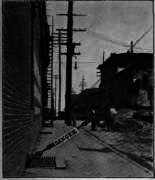
Fig. 50. Warning Signs Attached to Derrick Guys.

Fig. 51. Wire-cable Slings Installed for Anchoring Derrick Guys.
(Wire-rope slings are far better and safer (or this purpose than chains Owing to the position of the camera. the apparent steepness of the inclination of the nearest guy la much exaggerated in the photograph).
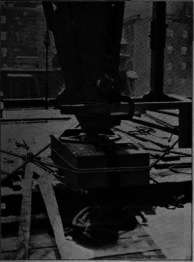
Fig. 52. An Approved Method for Anchoring Derrick Foot-blocks.
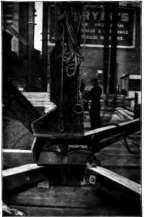
Fig. 53. Diagonal Stays for Anchoring the Foot-blocks of Guy Derricks.

Fig. 54. Arrangement of the Diagonal Stays Shown in Fig. 53.
Continue to:


My Books

