


II. Excavation Work. 14. General Suggestions
Description
This section is from the "Safety In Building Construction" book, by The Travelers Insurance Company Hartford, Connecticut. Also see Amazon: Safety In Building Construction.
II. Excavation Work. 14. General Suggestions
The work of preparing the foundations for a building is too important to be fully discussed in this book; but there are certain suggestions with regard to excavating which may properly be included, and which will make the work much safer if they are followed.
Special precautions should be taken to avoid undermining the foundations of adjoining buildings. If the foundations of the building that is being razed extend below those of the neighboring buildings, only short sections should be removed at one time. The neighboring foundations may then be undermined, also by small portions, and extended to the level of the new foundations. If necessary, the foundation walls of the adjoining buildings should be substantially shored up or braced, or other effective means should be adopted to prevent the walls from settling or being damaged in other ways. It is also important to thoroughly prop up or brace the walls of excavations on the sides adjoining public streets, and at all other points where there is danger of the caving-in of the earth. In loose soil, and also when foundations extend to a considerable depth, it is often necessary to use sheet piling.
Excavations should be guarded on all sides by fences or railings; and all rocks, boulders, loose soil, and material of every kind should be kept back at least four feet from the edges of the openings.

Fig. 11. Damage Caused by Excavating Without Adequately Shoring the Wall of the Adjoining Blilding.
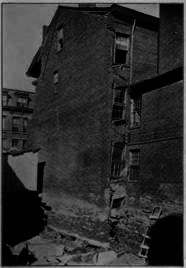
Fig. 12. Another View of the Building Shown in Fig. 11.
(Note the crude and unsafe ladder at the right of the engraving).
Inspect the walls of excavations frequently and thoroughly, particularly after heavy rainstorms, and do not let the employees work at any point where a cave-in seems probable, or where other recognizable sources of danger exist. In particular, do not permit anyone to work under an overhanging mass of earth or rock that has not been made safe by the use of shores or props or other supports of undoubted strength and effectiveness.
When motor-trucks or horse-drawn wagons are used on the work, provide suitable inclines of ample width for trucks or wagons loaded with the excavated material, and see that proper precautions are taken to prevent the vehicles from tipping over.
Whenever possible, the excavation work should be entirely completed before any building material is stored on the premises. Sometimes structural steel, timbers, brick, tile, and other materials are deposited in the partly-finished excavations, often with insufficient care in storing and piling them, and these increase the difficulties and dangers of the work. Suggestions with regard to storing material are given in paragraphs 10, 21, and 69.
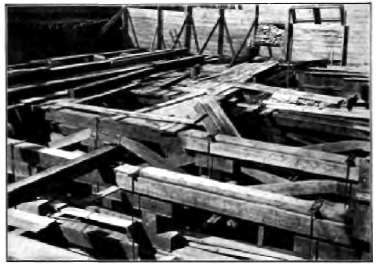
Fig. 13. Substantial and Well-constructed Shoring for an Excavation.
Various mechanical appliances are used in excavation work, including derricks and steam shovels. The chief precautions to be taken in the operation of derricks are described in Section V.
Explosives are often used in excavating operations, and these are likely to cause serious accidents unless they are handled carefully and intelligently. Some of the necessary precautions to insure safety in the handling of explosives are described in paragraph 67.
Continue to:


My Books

