


Saws
Description
This section is from the "Elementary Woodwork" book, by Frank Henry Selden. Also available from Amazon: Elementary Woodwork for Use in Manual Training Classes.
Saws
The saws used in elementary wood work are the hand saw, the rip saw, Figs. 178 and 179, and the back saw, Fig. 180. For special work we sometimes require the compass saw, Fig. 181. The proper methods of using the saws are shown in Figs. 37, 38, 72, 93, 94, 95. In using any saw in working around a curve the saw should work squarely through the piece, or at right angles to the surface in both directions. This applies particularly to the compass saw.
The blades of saws are easily rusted and therefore you should not touch the blades with your hands. If from any cause the surface of the blade is moistened, or if they are used in a damp room, they should be carefully wiped and the surface coated with vaseline or oil. Vaseline is probably the best anti-rust material easily applied for keeping not only saws but all other bright tools from rusting.

Fig. 180. Back Saw.
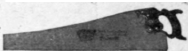
Fig. 181. Compass Saw
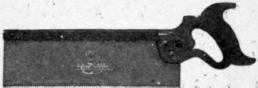
Fig. 179. Some of the better grades of saws are made this shape
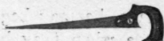
Fig. 178. The common grades of both hand saws and rip saws are made this shape.

When the saw refuses to work freely it should be put in order. The kinking of the blade is a serious injury to the saw and therefore take no chances When the saw sticks or binds in the kerf, find where the difficulty is and correct it or stop sawing entirely and wait for assistance. Of all the tools used in working wood, none work so freely as saws when in order and properly used and none so badly when out of order.
Fig. 182 indicates the forms of teeth usually given to small saws. A shows the teeth of a hand saw and B those of a rip saw. The shapes shown are only to illustrate the general plan of the two kinds of saws. This is especially true of the hand saw which is filed at many different angles to suit it to various kinds of wood and different grades of work.
The fitting of saws in the best manner is too difficult a task for even many of those who are constantly using them. The novice in woodworking should not attempt to fit his own saws. After he has become quite familiar with his saws and knows quite well how they should work when in proper shape, he may begin by pointing the teeth a very little when they become dull. The first thing to be learned is that there is great danger of filing too much and that too much filing is quite as bad as no filing at all. After a time he may attempt to joint and file and finally to joint and file and set his saws.
Fig. 182. Teeth of Saws. A, Hand Saw. B, Rip Saw.
Fig. 183 shows a good clamp for holding saws while filing them. The boards should be a little hollowed on the inside so that they will press firmly against the sides of the saw near the teeth. The saw should be held as low down in the clamp as will permit of holding the file at the proper angle. There are many kinds of saw clamps made of iron. These are good but not essential when one has but two or three saws to keep in order. It is very essential that a clamp of some kind be used, for if the saw is not held very firmly the files will wear out rapidly and it will be very difficult to make the teeth of the correct shape.

Fig. 183. Saw Clamp.
Continue to:


My Books

