


Iceberg Deposits
Description
This section is from the book "An Introduction To Geology", by William B. Scott. Also available from Amazon: An Introduction to Geology.
Iceberg Deposits
When a glacier flows into the sea great masses are broken off from the foot and float away as icebergs. Icebergs are thus seen to be, as indeed they always are, derived from land ice and not from the freezing of sea-water. The iceberg will, of course, carry with it whatever parts of the glacial debris are contained within or upon that particular fragment of the glacier, and drops this load over the sea-bottom, as the berg gradually melts. As the Greenland icebergs sometimes drift as far south as the Azores, glacial boulders are scattered all over the bed of the North Atlantic, and thus we see how large blocks may be embedded in stratified deposits very far from the place where they were torn from their parent ledges.
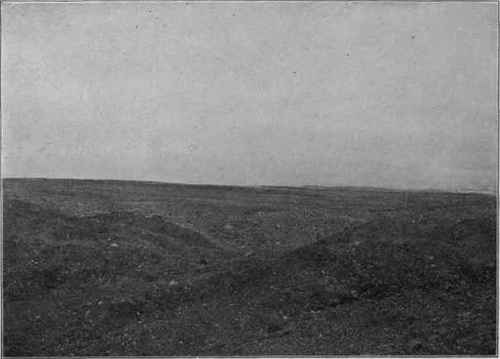
Fig. 121. - Drift-covered surface of the Malaspina Glacier, Alaska. (U. S. G. S).
Continue to:


My Books

