


Differences In Quality
Description
This section is from the book "Beverages And Their Adulteration Origin, Composition, Manufacture, Natural, Artificial, Fermented, Distilled, Alkaloidal And Fruit Juices", by Harvey W. Wiley. Also available from Amazon: Beverages And Their Adulteration.
Differences In Quality
The wines differ, notably among themselves, although they have the common traits of the family. The character of the soil and the exposure of the fields also play an important role in the quality of the wine, and I should add, also, the methods of culture, the pruning of the grapes, the fertilizers used, and especially the climatic conditions of the year. The makers of these wines recognize that the sun is an indispensable collaborator in order to secure good wine. The peasants of Burgundy call the sun the Burgundian, a respectful homage to this great brother of theirs, who alone has the ability to give value to their labors and their pains.
One of the reasons given for the superior excellence of the Burgundy wines is that they are grown near the northeast limit of grape culture in France, and on hills with their general exposures to the southeast. Experience has established that fruits are usually much more fragrant when they are grown near the limits of culture. It is the same for the grape. Thus we are able to improve the bouquet of wines by extending them as far as possible to the north or in growing them upon high plateaus. The exposure of the vineyards of Burgundy to the southeast permits them to receive the greatest degree of radiation from the sun, and thus allows them to reach maturity with the largest possible saccharine richness.
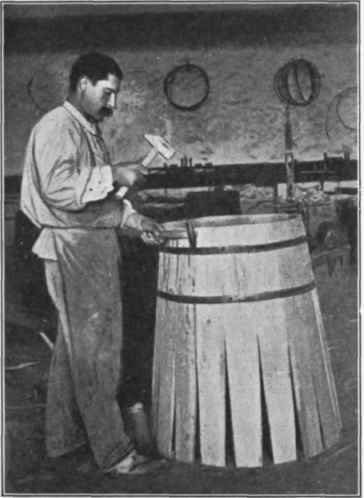
Fig. 31. Making casks. (Courtesy of Barton and Guestier.)
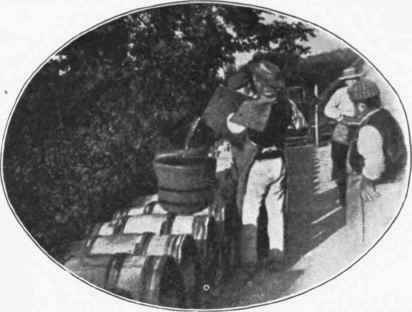
Fig. 32. Pouring the wine into casks. (Courtesy of Barton and Guestier.)
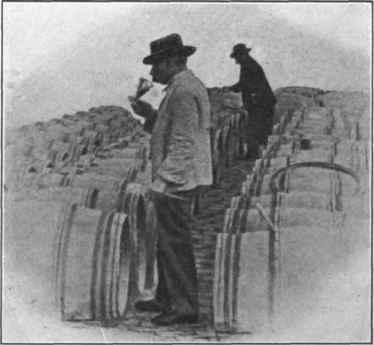
Fig. 33. Head cellar man tasting a vintage wine. (Courtesy of Barton and Guestier.)
These natural causes must be added to the perfection of the cultural processes and the methods of vinification, which have been brought to the highest point of perfection by the continued experience of more than 2,000 years, in which the technique of the father has been handed down to the son.
Continue to:


My Books

