


A Note On The True Soldat Laboureur Pear
Description
This section is from "The Horticulturist, And Journal Of Rural Art And Rural Taste", by P. Barry, A. J. Downing, J. Jay Smith, Peter B. Mead, F. W. Woodward, Henry T. Williams. Also available from Amazon: Horticulturist and Journal of Rural Art and Rural Taste.
A Note On The True Soldat Laboureur Pear
My Dear Sib: Two and three years since, I planted one thousand pear trees, embracing most of the varieties that are much esteemed on quince stock. Most of them fruited last year, but a few varieties not till this. Among the latter is one which I have never seen described in any American publication, and which has given me more satisfaction than any other.
I received a dozen trees from Messrs. Parsons & Co., which they had received from France with the label Soldat Laboureur, but believed to be identical with the Beurre d'Aremburgh; the fruit, however, proves to be quite different from that well known sort, as well as from Glout Morceau, or anything else that I know. The trees have made a strong, healthy, upright, and naturally regular and pyramidal growth, out-stripping everything else that I have, except possibly, Beurre d'Amalis; the shoots of this season, on all parts of the tree, being in every case, on an average, three feet in length. The fruit answers to the following description, which I have to-day received from your French correspondent, M. Dksportes, as that of the true Soldat Laboureur, which is by no means, he says, to be confounded with the Oryheline d'Eugheim, (Beurre d'Aremburgh as known here,) though it long has been.
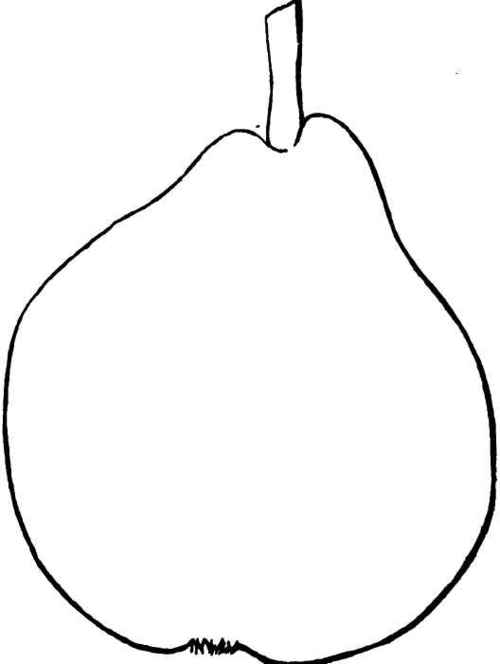
True Soldat Laboureur.
Continue to:


My Books

