


7. Bacillus Coli Communis
Description
This section is from the book "A Manual Of Pathology", by Joseph Coats, Lewis K. Sutherland. Also available from Amazon: A Manual Of Pathology.
7. Bacillus Coli Communis
This bacillus is constantly present in the colon of man and frequently in the faeces. It is also sometimes present in the vagina and uterus, and may be the cause of peritonitis by extension from these organs, as in cases of puerperal fever and of Caeesarian section. It is a short rod, closely resembling the bacillus of typhoid fever (Fig. 147), and it possesses powers of movement due to cilia which are sometimes single, and sometimes multiple. They are situated at the sides of the bacilli. It grows on the usual culture media in the presence of oxygen (see Fig. 141).
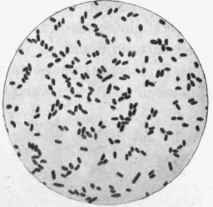
Fig. 141. - Bacillus coli communis, x about 1000.
This bacillus is obviously non-pathogenic in the intestinal canal, but it is highly pathogenic in the peritoneum. It has been found as a pure culture in peritonitis resulting from perforation of the intestine. Inoculation of cultures into the peritoneum of rabbits produces an acute peritonitis. The disease is much more severe when cultures have been made from the peritoneal exudation in cases of perforation of the intestine in man, than from the contents of the intestine. Similar intensified cultures are obtainable from the intestine of animals by artificially obstructing the intestine.
Adami finds the bacillus coli in the liver in many cases, and it presents various transformations, appearing sometimes as a diplococcus. He suggests that the liver has a bactericidal power on this bacillus, and possibly other bacilli, absorbed from the intestine. He has found these polymorphic forms especially in cirrhosis, and suggests that the bacillus coli may take part in the causation of that disease.
Continue to:


My Books

