


Nat. Order. Menispermaceae. Stephania Hernandifolia. Cissampelos hexandra. Box
Description
This section is from the book "The Materia Medica Of The Hindus", by Udoy Chand Dutt. Also available from Amazon: The Materia Medica Of The Hindus.
Nat. Order. Menispermaceae. Stephania Hernandifolia. Cissampelos hexandra. Box
Sans.

Ambashthά.

Patha. Vern. A'kanάdi, Nemuka,
In the Pharmacopoeia of India it is stated that the Cissam-pelos hernandifolia, Wall. is identical with Pareira Brava, and is common throughout India. Other authorities say, that the true Pareira Brava is derived from Chondodendron tomentosum. The plant used by Kavirajas in Bengal under the name of pάthά is identical with that figured by Roxburgh as Cissampelos hexandra. The root of this plant is regarded as light, bitter, astringent and useful in fever, diarrhoea, urinary diseases, dyspepsia etc.
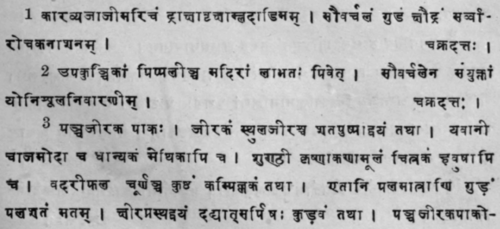
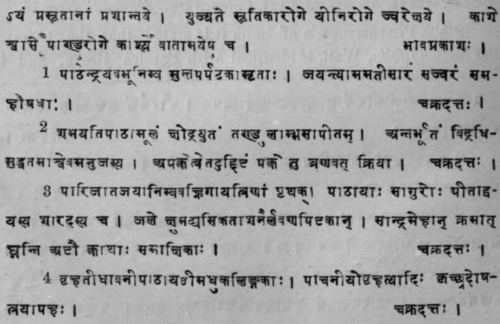
In fever with diarrhoea, the following compound decoction1 is recommended by Chakradatta. Take of patha root, indrajava seeds, chiretta, tubers of Cyperus rotundus (mustaka), Hedyotis biflora (parpati ), gulancha, and ginger, equal parts, in all two tolas, water thirty-two tolas ; and boil till reduced to one-fourth. In diarrhoea caused by indigestion and attended with pain and slimy or bilious stools, the following decoction is used. Take of pάtha root, indrajava seeds, chebulic myrobalan and ginger, each half a tola, water thirty-two tolas. Boil down to one-fourth.
In internal or deep seated inflammation, Chakradatta recommends the root of this plant to be taken with honey and water in which rice has been macerated.2
In urine depositing salts or a white flocculent substance, a decoction of pάthά and aloes-wood is used.3
In painful micturition the following decoction4 is considered useful. Take of pάthά root, Hedysarum lagopodioides (pisnsniparni), toot of Solatium Indicum (vrihati), liquorice root and indrajava seeds, equal parts, in all two tolas. Boil down to one-fourth.
Continue to:


My Books

