


Nat. Order. Santaleae. Santalum Album, Linn. Sans
Description
This section is from the book "The Materia Medica Of The Hindus", by Udoy Chand Dutt. Also available from Amazon: The Materia Medica Of The Hindus.
Nat. Order. Santaleae. Santalum Album, Linn. Sans

Chandana,

Srikhanda.
Vern. Chandan, Beng. Saphed chandan, Hind,
Sanskrit writers describe several varieties of chandana and some include the woods of Pterocarpus Santalinus (raktachandana) and Coesalpinia Sappan (pattanga) under this common denomination. Excluding these last, two varieties of sandal wood are generally recognised, namely, srikhanda or white sandal wood and pitachandana or the yellow variety. These varieties are founded on the difference in the depth of colour in the heart-wood and not on any specific difference in the plants. The use of sandal wood in carving, and the elegant and fragrant articles made from it, are too well known to need description here. The Hindus use an emulsion of the wood in the worship of their idols and for painting or anointing their bodies after bathing. Rich natives sometimes use sandal wood for burning their dead relatives. Rich or poor, all add at least one piece of the wood to the funeral pile.
The essential oil of chandan (chua chandana) obtained by distillation from the heart-wood and roots, is of a pale yellow colour and has a peculiar fragrant smell best appreciated by rubbing a few drops of it on the hand. It is much used as a perfume by the Hindus both for themselves and for their idols. In Orissa it is a practice with the better classes to rub a little sandal oil in the spices which they take with their betle-leaf.
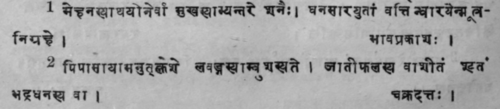
Sandal wood is described as bitter, cooling, astringent, and useful in biliousness, vomiting, fever, thirst and heat of body. An emulsion of the wood is used as a cooling application to the skin in erysipelas, prurigo and sudamina.1 Two tolas of the watery emulsion of sandal wood, with the addition of sugar, honey and rice-water, is given to check gastric irritability and dysentery, and to relieve thirst and heat of body.2
Continue to:


My Books

