


45. Painters' Scaffolds
Description
This section is from the "Safety In Building Construction" book, by The Travelers Insurance Company Hartford, Connecticut. Also see Amazon: Safety In Building Construction.
45. Painters' Scaffolds
The light, swinging scaffolds that are used for painting should preferably be secured to the building at all times, so that they cannot swing materially in any direction. They should always have guard-rails on the side away from the building, at least. In a number of cases, however, men have fallen between the scaffolds and the walls of buildings, and it is therefore better to have guardrails on both sides of the scaffolds, as shown in Fig. 70. (If the scaffolds were always secured to the buildings, as recommended above, so that they could not swing, the guard-rails on the outer side might be sufficient; unfortunately, however, this precaution is often neglected, and in such cases the additional rails would furnish the necessary protection).
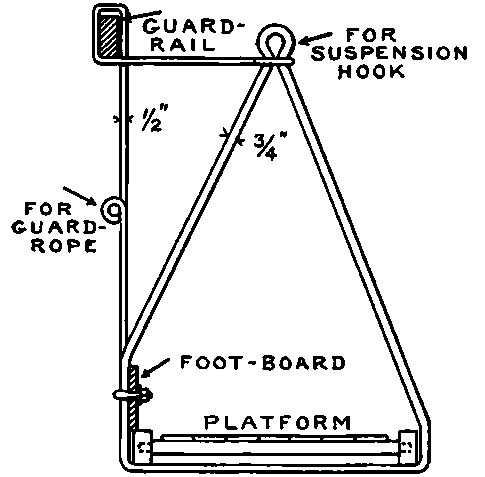
Fig. 69. A Painters' Scaffold with a Single Guard-rail.
Painters' scaffolds and other light, swinging scaffolds that are supported by ropes, should be carefully tested, immediately before using, by raising them a foot or so from the ground and loading them with a weight at least four times as great as the maximum load they may have to support while in use. The ropes of all such scaffolds should also be carefully protected from contact with acids and other chemicals, and should be tested from time to time to see that their strength remains unimpaired.
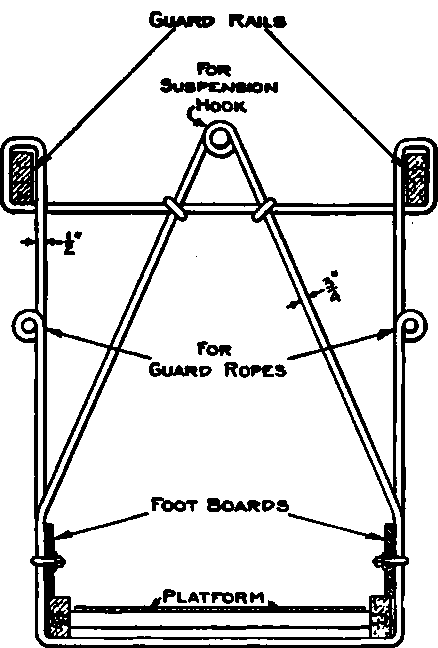
Fig. 70. A Painters' Scaffold with Guard-rails on both Sides.
Scaffolds of the types here under consideration should always be lowered to the ground, or lashed, when leaving the work for the night. All tools and materials should likewise be removed from such scaffolds when the men are not at work upon them.
46. In General
Except in certain special cases where the working conditions make the adoption of such safeguards impracticable, scaffolds should be provided with hand-rails, and also with toe-boards to prevent materials or tools from falling over the edges of the platforms. In addition, wire-mesh side screens are strongly recommended; and whenever scaffolds are located so that there is a considerable height over them from which materials and tools might be dropped, they should also be provided with efficient overhead guards of planking, wire netting, or some other effective substitute. It is common indeed to see the hand-rails, toe-boards, side screens, and overhead protection entirely omitted from scaffolds, and many of the scaffold accidents that occur are due to these omissions.
Fig. 71. Machine for Use with Painters' Scaffolds.
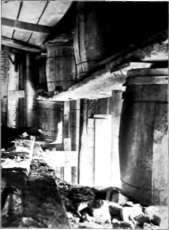
Fig. 72. A Study in Dangerous Scaffolding.
The planks forming the platforms of scaffolds should be laid tightly together, so that there will be chance for tools or materials to fall down between :hem. The planks or boards forming the platforms should also be placed so that they cannot tip up under the weight of a workman, at any point whatever.
Scaffold platforms should not be used for the storage of materials, except such as are immediately equired by the workmen; and they should be kept is free as possible from obstructions, so that the work-men may move about upon them in safety. Accumu-ations of snow and ice should be promptly removed, and when the platforms become slippery they should be liberally sprinkled with sand or ashes.
If heavy stonework must be handled on scaffolds, extra reinforcement should be provided wherever necessary, to make the scaffolds safe under the unusual loads.
Men should preferably be kept away from places directly under scaffolds, whether these are outside or inside of the building. Under some conditions, however, this course is impracticable; and when men must work on or beneath scaffolds where there is danger From falling objects (as, for example, in elevator hoist-ways, ventilating shafts, and other similar places) substantial protective coverings should be installed above or below the scaffolds, as may be necessary, to guard all the exposed men against injury.
Doorways and passageways, where men have to pass under a scaffold or under some other place where construction work is going on, should be effectively covered with roofs or sheds. Mortar beds are often placed almost immediately under scaffolds. If they cannot be placed elsewhere, they should be protected by substantial roofs.
In building a scaffold of any kind, always use strong, first-class material, and plenty of it. Furthermore, be sure the scaffold is rigid as well as strong, so that it will not yield or shake when the men move about upon it, nor when portions of the load that it has to support are shifted; and never intrust the building of such a structure to anybody but a responsible man who knows what ought to be done, and who is willing to do it.
Every man who has to make use of a scaffold should be required to satisfy himself of its safety before he ventures out upon it.
All scaffolds, stagings, and other similar temporary structures should be removed as soon as the need for them ceases to exist.
Continue to:


My Books

