


The Young Girl's Room
Description
This section is from the book "The Practical Book Of Furnishing The Small House And Apartment", by Edward Stratton Holloway. Also available from Amazon: The Practical Book Of Furnishing The Small House & Apartment.
The Young Girl's Room
It is not difficult to provide here a charming retreat, very different, it will be found, from the conventional rooms of her friends. And here again is there a great variation in fabrics and colouring from all the rooms previously provided for.
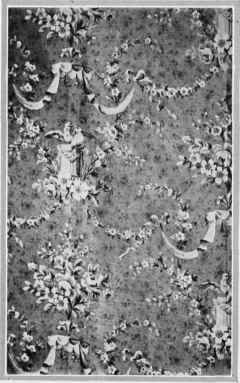
PLATE 38. Linen white flowers on grey-blue background.
Notes of tan-brown and dark-brown.
Half breadth shown.
Reference to Plate 38 will show a printed linen from France, a design in linen-white on grey-blue background, with notes of tan-brown and dark brown. This textile is more expensive than those before mentioned, but it will be worth saving a little pocket-money for its purchase. Use this for the over-curtains at the windows and also as presently described. Have the furniture of oak stained the silver-grey, using a slat bedstead such as that shown in Plate 15. On the wall at the head of the bedstead place a hanging of the same linen, its top being something like 6 1/2 feet from the floor - according to the best appearance considering the height of the room and the headboard - and let it hang down behind the slats, to which it will afford an excellent background. The chair cushions may be made of the "Elwood Chintz" in corn and linen-colour with narrow stripe of pale blue (Plate 36). At the door of this room use a linen crash or some other material of about this tone. The harmony now being of soft blues, greys, and buffs, the rose note should be introduced very sparingly, and it should be as modified in comparison as is the other colouring. A simple design of appliqué of this soft rose, or a wide band near the foot, may be sewed upon the door hanging, and the same colour used upon the top of the dressing-table or bureau. The lampshade would better be champagne or buff, and the bedspread of white, striped.
It is possible also to use the triad of violet, green and orange and preserve the requisite atmosphere of quiet charm, provided modified tones of these hues are selected (see Frontispiece).
This method of securing unity having been carried through a number of rooms showing great variety of treatment and with the use of inexpensive materials, the principle will now be evident. It is by no means necessary therefore that the home-furnisher should literally follow these details in each room, for, the plan being mastered, many variations may be introduced. Furthermore, the scheme is equally adaptable to either very quiet or stronger colouring as individually may be preferred.
Continue to:


My Books

