


Cypress And Cedar
Description
This section is from the book "English Furniture", by Frederick S. Robinson. Also available from Amazon: English Furniture.
Cypress And Cedar
An impanelled chest of elm, and with initials T. G., belongs to Sir Spencer Ponsonby-Fane of Brympton, Yeovil, and has rather handsome incised carving. Another, belonging to the same owner, seems to have been put together of fragments, so uncompromisingly cut off are the applied mouldings on its front. Both of these chests may be referred to the first half of the seventeenth century (Plate XXXIV.).


Plate XXXIV. 1 - Chest, Oak Early 17th Century 2 - Chest, Elm About 1620
XXXIV. (1) Chest, oak. Early seventeenth century. The Hon. Sir Spencer Ponsonby-Fane, K.C.B. (2) Chest, elm. About 1620. The Hon. Sir Spencer Ponsonby-Fane, K.C.B.
Belonging to the old oak period, though not of oak, are certain chests common in England, of cypress, cedar, and chestnut. Some are merely incised with well-designed and flowing line ornament of dragons and other shapes suggestive of Italian importation. Others have the thin incised lines filled in with a composition which produces the effect of dark brown inlay. This system is to be found on obviously Italian 'cassoni' or chests, and is therefore very likely an Italian method. There is a third class of chest with a punched ground upon which flat figures are shown in outline. They are generally in bad condition, the detail upon the figures, which was probably obtained by poker or burnt work, having almost entirely disappeared. The wood of which they are composed is perhaps chestnut, and the figures are clad in trunk hose, which would place the date not later than the reign of James I. Small boxes exist with work similar at first sight in appearance to that on these chests, and in very good condition, especially as to the subject on the inside of the lid. Careful examination of these will sometimes show that the very smooth wood of which they are made has been drawn on with a pen or point, possibly dipped into an acid which burns brown.
These boxes have pronounced Italian ornament upon them to suggest their origin. Large chests, apparently in burnt work, with the arms of England, are to be found, such as one which I have mentioned elsewhere, at Milton Abbey, Dorset. They are no doubt of Italian importation, with heraldry put on 'to order.'
The cypress chest of our illustration (Plate xxxiii.), No. 301 in the Victoria and Albert Museum, was perhaps sent over uncarved, but ready dove-tailed. It has three incised arches with birds and dragons inside of them. On the upper 'rail' and 'stiles' - or what in this unpanelled chest correspond to them - are S-curves, some ending in leafage, others in dragons' heads. The dragon motive seems to have been somewhat popular in Wales, where chests carved with it are not uncommon. Another cypress chest, No. 300 in the Museum, has female busts and floral ornament. At Empingham Church, Rutland, there is a good incised cedar chest with figures of animals, but not with composition inlay.
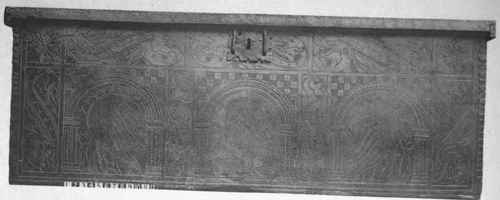
Plate XXXIII. Coffer, Cypress Wood Late 16th Or Early 17th Century
xxxiii. Chest, cypress wood. Late sixteenth or early seventeenth century. This chest has dragon-headed S-curves similar to those found on Welsh furniture. It is very probably an imported Italian chest, with design to suit the English market, and more likely to be of the sixteenth century. V. & A. M.
Dimensions: Length 50 ⅝, Height 22½ inches approximately.
Continue to:


My Books

