


Chapter Twelve. Decorating Leather
Description
This section is from the book "Time Out for Living", by Ernest DeAlton Partridge and Catherine Mooney. Also available from Amazon: Time Out for Living.
Chapter Twelve. Decorating Leather
No doubt you have often wondered how beautiful leather articles like those shown in the above picture are made. You may have wondered if you can make them yourself. Yes, you can make them, or articles similar to those shown, if you have the proper instruction, a desire to learn, and a little patience. Making such articles is a very fascinating pastime, which you can turn into a profitable hobby if you become skillful enough. The interesting thing about it is that you can make many of the tools yourself, create your own designs, and even invent your own articles.
There is a real satisfaction in making your own belt, or wallet, or book cover. Somehow, an article you have made by yourself feels more a part of you than one made by machine or by other hands than your own. Even though your own craftwork may not be as excellently finished as that done by more skillful hands, it is your work, it represents the fun you had in making it. And next time you can do a little better.
Different Kinds Of Leather
There are generally two ways of classifying leather, first, according to the source of the leather (the kind of animal) and second, the method of tanning. For the purpose of this chapter it will be sufficient to deal only with the kinds of leather classified according to source. Only a few such leathers will be mentioned here.
Steer And Cowhide
Steerhide and cowhide are the two leathers used for heavier articles, such as saddles, briefcases, belts, camera cases, and the like. Cowhide is often too heavy for such articles, but the lighter weights and steerhide are excellent for tooling and stamping.
Calfskin
Because the hair of a calf is much finer and the skin thinner, the leather made from its hide is especially well suited for finer purposes, such as wallets, book covers, and key cases. Not all calfskins are good for tooling because they are finished in different ways. Usually the leather known as Russian Calf is very good for tooling purposes. It can be had in a variety of colors.
Sheepskin
Sheepskins are soft and coarse-grained. They are not good for repelling water. In craftwork they are used mostly as lining on the inside of such projects as wallets and book covers.
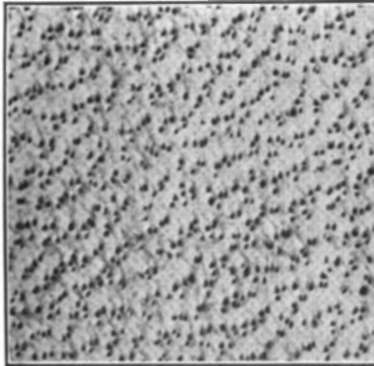
Cowhide.
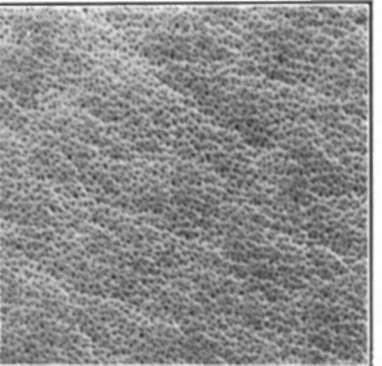
Calfskin.
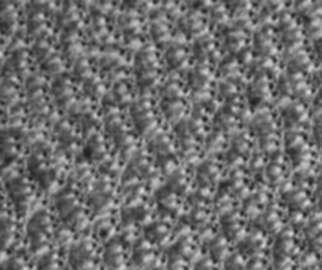
Goatskin.
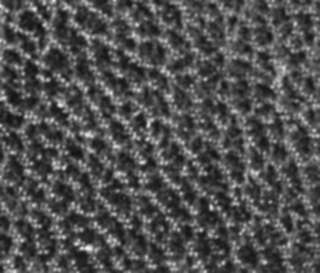
Kidskin.
Goatskin
For very fine-grained leather, the goatskins that come from the Alpine countries and the Ural Mountains are unexcelled. The fine Morocco leathers used in book bindings and in Spanish and Italian leather articles are often made from goatskins. This leather is usually too expensive for the beginner to use.
Continue to:


My Books

