


Chronic Hydrocephalus - Water On The Brain - Diseases Of Children
Description
This section is from the book "The Home Hand-Book of Domestic Hygiene and Rational Medicine. Volume 2.", by J. H. Kellogg, M.D.. Also available from Amazon: The Home Hand-Book of Domestic Hygiene and Rational Medicine, Volume 2
Chronic Hydrocephalus - Water On The Brain - Diseases Of Children
The Symptoms of Chronic Hydrocephalus - Water On The Brain
Great enlargement of the cranium, face and lower part of the head remaining of natural size: cry harsh; rolling of eyes; squinting; legs doubled on the body and feet crossed, feet and hands cold.
This affection may exist before birth to a greater or less degree, or it may come on afterward, often appearing ten or twelve months after birth. The head continues to enlarge until in some cases it becomes enormous in size, giving the child a very unnatural appearance. Figs. 352 to 354. The child suffers with frequent convulsions and increasing paralysis. Death generally occurs within a year or two, but the patient may linger for many years.
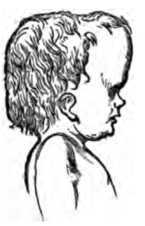
Fig. 352. Side View of Head of Hydrocepalus Child.
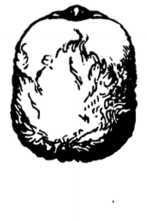
Fig. 353. Vertex View of Head of Hydrocepalus Child.
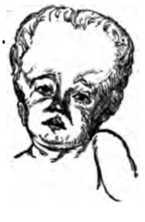
Fig. 354. Front View of Head of Hydrocepalus Child.
The Causes of Chronic Hydrocephalus - Water On The Brain
Tile causes of chronic hydrocephalus operate chiefly through the mother. They are those agents which affect the nutrition of the mother.
The Treatment of Chronic Hydrocephalus - Water On The Brain
Patients occasionally recover from this disease, but in the majority of cases no treatment is successful. Tapping the head has succeeded better than any other method of treatment, but it is, nevertheless, rarely successful. Bandaging the head by means of elastic bandages or straps of adhesive plaster has been practiced, but without any very encouraging results.
Continue to:


My Books

