


Chapter IV. Panelled Rooms, Bedsteads, And Cradles
Description
This section is from the book "English Furniture", by Frederick S. Robinson. Also available from Amazon: English Furniture.
Chapter IV. Panelled Rooms, Bedsteads, And Cradles
ROOM panelling was introduced into England, says Mr. J. H. Pollen (Ancient Furniture and Woodwork, p. 49), during the reign of Henry in., that king having ordered a room at Windsor Castle to be panelled with Norway pine specially imported. Wainscoting of so early a date - thirteenth century - it would not be easy to find remaining, but we need not travel far for the purpose of studying fine examples of the Tudor period and after. There is no complete room in the Victoria and Albert Museum fitted with the beautiful 'linen-fold' panels, as at Hampton Court or Layer Marney, Essex; or with those heavy diapers which were part of the decoration of the same house. There is, however, one fine piece of linen-fold panelling with diapered or 'dagged' borders (No. 539), from a farm-house at Kings tone, near Taunton, since destroyed. The angular nature of the folds may be seen in the reproduction, and is evidence of its early date in the evolution of this form of panelling (Plate XIII.).
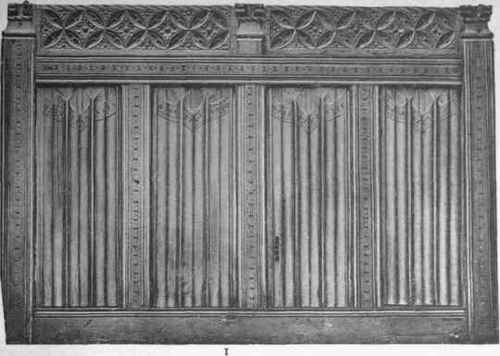

Plate XIII. I-Oak Panelling, With Linen-Fold Pattern 15th Century 2-Tudor Panels, With Arms Of The Blount Family, Showing Linen-Fold Patterns
XIII. (1) Oak panelling, with linen-fold pattern. Fifteenth century. (2) Tudor Panels, with arms of the Blount family, showing linen-fold patterns. Oak. The left-hand panel is inscribed, 'Orate p[ro] bono statu Johanis Blount et Johane uxoris eis' [ejus]. Sir Charles Robinson, C.B.
Size over all, 27⅜ inches each way. The outer mouldings are later.
From the Abbey House at Waltham Abbey has come a set of panels (Plate XIV.) of not much later date. This abbey was granted at the Dissolution of the Monasteries by Henry VIII. to Sir Anthony Denny. Early in the seventeenth century Edward Denny, his grandson, Baron of Waltham and Earl of Norwich, is supposed to have used the panelling in a new house in the abbey grounds. This later house was pulled down in 1770 and the panels placed in a residence in the town. They have profiles of heads in circular medallions. The Tudor rose, portcullis, and the pomegranate of Katharine of Aragon are often repeated, as well as the arms of the Blackett family and others not known. There is much reminiscence of Gothic work in some of the panels, notably where a species of canopy occurs with upright leaves and others at the sides - a version of the 'Tudor flower' - serving as crockets. Other panels have grotesque lions' heads in the same place. Many have purely Renaissance ornaments of dolphins and similar shapes. There are plenty of stone instances of transitional work, Gothic mixed with Renaissance motives, such as this, remaining.
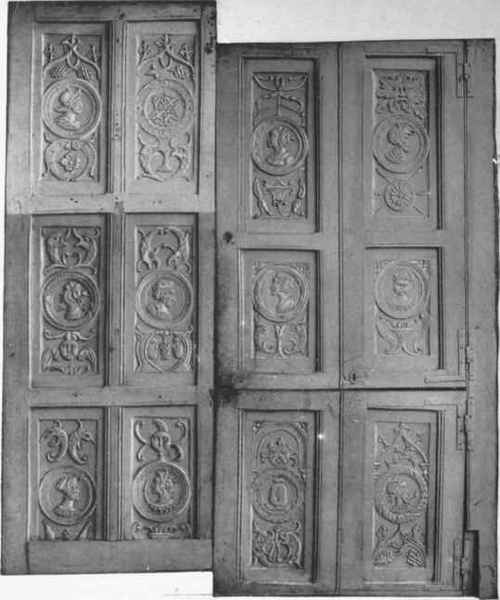
Plate XIV. Panelling From A House At Waltham Abbey Early 16th Century
XIV. Panelling from a house at Waltham Abbey. Early sixteenth century. V. & A. M.
Altar tombs of Purbeck marble - Corfe Castle work - show strong Tudor influences as late as 1586. The Clavell tomb at Church Knowle, near Corfe, 1572, another in Milton Abbey, Dorset, to Sir John Tregon-well, 1586, and a third in Bere Regis church, Dorset, name unknown, are three very similar examples showing the combination as clearly as the better-known chantry of Gardiner, 1555, in Winchester Cathedral.
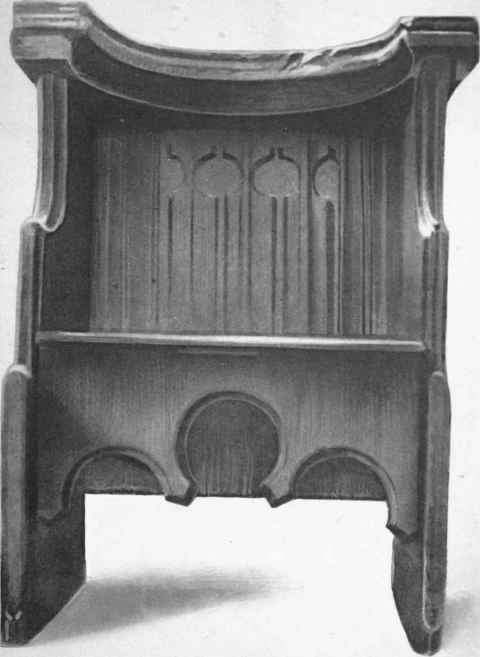
Plate I. Chair In Bere Regis Church, Dorset Partly 15th Century
I. Chair. Partly fifteenth century. One of a pair which were probably part of a set of stalls. Bere Regis Church, Dorset.
Continue to:


My Books

