


IV. Cupboards And Sideboards. Part 3
Description
This section is from the book "Colonial Furniture In America", by Luke Vincent Lockwood. Also available from Amazon: Colonial Furniture In America.
IV. Cupboards And Sideboards. Part 3
Such examples of carving as that last shown make it appear rather remarkable that the New England inventories do not mention carving in connection with cupboards and only very occasionally in the description of chests; it would seem that the original cost of such work as these cupboards show would necessarily be high; hut on looking through a long list of cupboard values taken at Plymouth, Salem, Boston, Philadelphia, and Yorktown, the values vary, as a rule, from 5s. to £1 5s., and valuations above these figures are very rare. An entry of a "court cubbert" at Boston, 1681, places the value at £4, and at Yorktown a court cupboard with drawers, in 1657, is valued at £5; at Salem, in 1733, we find "one best cupboard £3," and the "next best, £2"; but the currency inflation suffered at this time in Massachusetts may bring the actual value of the last-named down to the average. The inside arrangement of these cupboards does not vary much. The upper cupboard is usually open - that is, without shelves - but sometimes has a shelf in the centre; and when the cornice at the top is not a drawer it often has a shelf concealed which is reached through the cupboard. The lower cupboard has from one to three long shelves. These cupboards, as well as the joined oak furniture in general, are fastened together mortise and tenon fashion with wooden pegs throughout; no nails whatever were used in them.
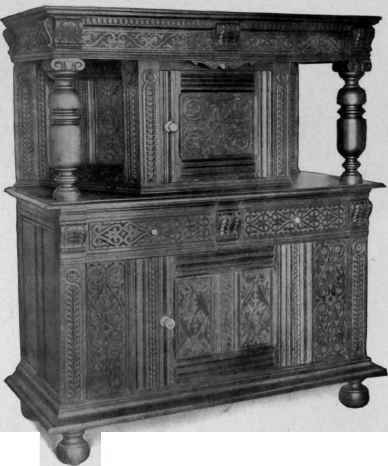
Figure 164. Press Cupboard, 1660-80.
A press cupboard somewhat similar to the one just described is shown in Figure 164 and was the property of the late Walter Hosmer. The construction is practically the same, except that the drawer is straight instead of having a torus moulding, and it stands on ball feet. The upper rail is carved in a foliated scroll design separated by well-carved corbels, and a dentil cornice finishes the top. The door of the upper cupboard is in a very good design of entwined foliated scrolls, and on all the stiles is laurelling with rosettes. The side panels are double, as in the preceding piece, carved with rosettes. The drawer and lower panels are carved in a double foliated scroll design, and corbels finish the top of the stiles and centre of the drawer. On the stiles on either side of the door is nicked carving.
The wide outstanding moulding and the ball feet will be observed. The turned columns are of oak instead of pine, painted, which is the manner common on American cupboards and a semi-classic effect is given by the crude Ionic capitals with which they are finished. The cupboard is of American white-oak and of unusual size, being 5 feet 1 1/2 inches high; the lower section being 3 feet in height, 4 feet wide, and 21 inches deep; the upper part, 2 feet 11/2 inches high and 183/4 inches deep.
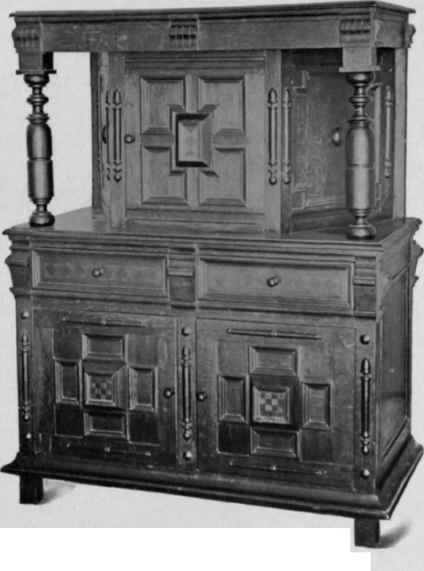
Figure 165. Press Cupboard, last quarter seventeenth century.
Figure 165 shows a very good example of a panelled press cupboard dating in the last quarter of the seventeenth century. It is constructed in the same way as has been described with regard to the preceding pieces. The raised panels on the doors suggest the panels on the chest (Figure 25). The drawer fronts and the centre of each panel are inlaid in checker-board design. This inlay is quite often found in the better cupboards abroad, but it is not very common in this country. The top rail and the tops of the stiles of the lower part are finished with corbels and the surfaces are embellished with split spindles and bosses. This cupboard was found neglected in a stable some years ago and carefully restored; but the feet, which are new, should have been of the ball variety illustrated in Figure 164, for, almost without exception, chests and cupboards having the wide outstanding moulding at the bottom have these ball feet, while the straight feet are merely the continuation of the stiles and uninterrupted by any moulding in most cases.
The feet of chests and cupboards being often missing, it may be of service to collectors to know that if the place where the feet were applied originally can be examined, the presence of an auger-hole with rounded end denotes the use of a very old style of instrument, for the modern auger leaves a straight surface where it finishes a hole. The ball feet were furnished with dowel-pins which fitted into the holes.
The cupboard from Mr. Erving's Collection, shown in Figure 166, has come to be quite generally known among collectors as the Connecticut cupboard, for a number of them have been found in Connecticut and the writer has been unable to trace any that have been found elsewhere.
This cupboard differs from those previously shown, in that the upper cupboard instead of being splayed is recessed, making a shallow cupboard the entire width of the piece. In place of corbels on the top rail are carved tulip designs. The two outer panels on the upper cupboard are doors, the centre being stationary. The surfaces of these panels are ornamented with bosses and split spindles, and at the centre between the two posts is a pendant. The drawer is panelled and has applied turtle-back ornaments on the surface. The lower panels, it will be seen, are in the same design as that found on the Connecticut chests (Figure 18). The stiles are ornamented with strap work and split spindles. Cupboards are occasionally met with in which both upper and lower sections are recessed, the lower cupboard finished in the same manner as the upper, and also having the turned posts at the corners. A drawer sometimes is added at the bottom. A cupboard of this description is in the Waters Collection at Salem, Massachusetts.
Figure 167 shows a press cupboard, the property of Mr. George Dudley Seymour, of New Haven, which is constructed in the same way as that shown in the preceding figure. On the rail under the top are three groups of three applied rectangular bosses with chamfered sides. Under the upper and lower boards are the same kind of applied blocks, set diagonally, as appear on the preceding cupboard. The upper cupboard has three panels, the outer ones blocked in the corners and the centre one blocked in the corners and centre of the sides. A turtle-back boss is applied at the centre of each panel in both sections. The doors in the lower part are also constructed in the same manner as in the preceding figure but are without carving.
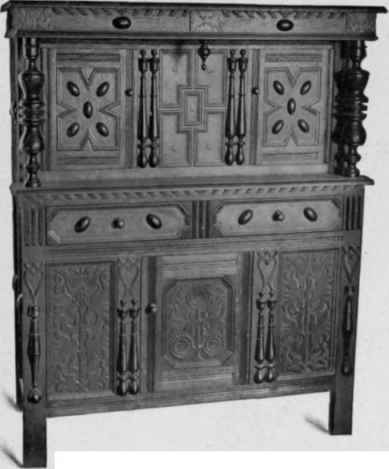
Figure 166. Press Cupboard, last quarter seventeenth century.
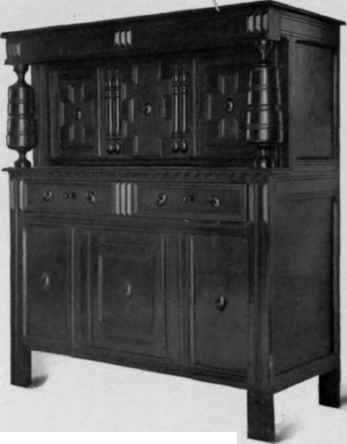
Figure 167. Press Cupboard, last quarter seventeenth century.
Continue to:


My Books

