


IV. Cupboards And Sideboards. Part 4
Description
This section is from the book "Colonial Furniture In America", by Luke Vincent Lockwood. Also available from Amazon: Colonial Furniture In America.
IV. Cupboards And Sideboards. Part 4
Figure 168 shows a press cupboard, the property of Mr. Maxwell C. Greene, of Providence, which, although English, has been in this country from colonial times. The top edge is carved in a chevron design. Under the top are four corbels and the space between is ornamented with carved foliated scrolls. The upper cupboard is recessed and the top is supported by two columns turned in the vase-and-ring pattern. The two doors are panelled with blocks inserted in the corners and a split spindle and two rosettes are applied on each. At the centre is carved a fleur-de-lis with a crown above. On the drawer front are two panels carved in the foliated scroll design. The two lower doors are panelled with blocks inserted on the four sides and on the panels are split spindles and rosettes. One large and two small split spindles finish each stile.
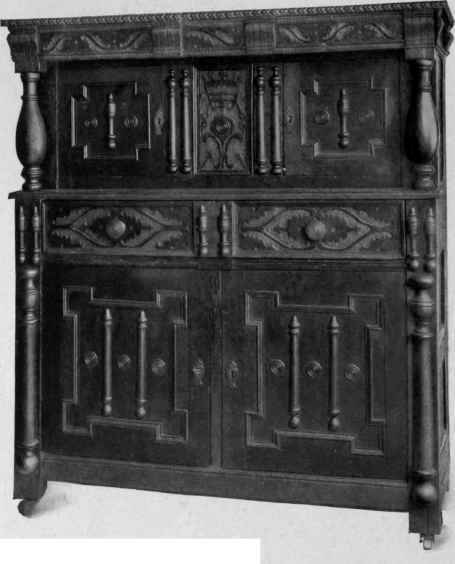
Figure 168. Press Cupboard, last quarter seventeenth century.
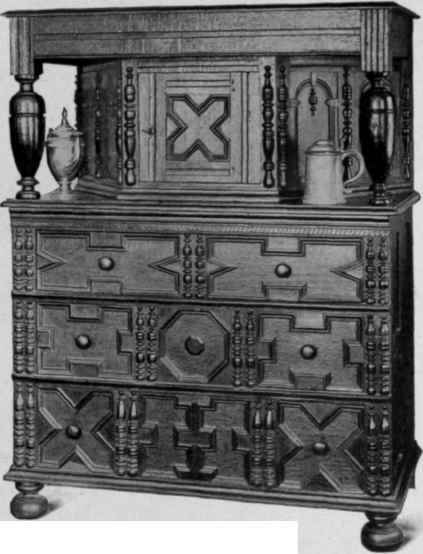
Figure 169. Press Cupboard with three drawers, 1675-1700.
A very fine cupboard with drawers, known as the "Putnam cupboard," which was presented to the Essex Institute, Salem, by Miss Harriet Putnam Fowler, of Danvers, Massachusetts, a descendant of John Putnam, who settled in Salem about the year 1634, is shown in Figure 169. It differs from all the preceding in having the lower section entirely of drawers, a development which we may regard as the extreme to which these cupboards came, although a court cupboard with three drawers is mentioned in a Boston inventory as early as 1677. The panelling on the drawers is especially fine, all the mouldings being of cedar. The first and second drawers are identically like the third and fourth drawers of Figure 49, and the bottom drawer is divided into three panels, the outer ones having the four sides indented and the centre one having blocks inserted at the centre of the sides and through the centre. The arch shape of the recessed panels of the cupboard portion would make it appear that this cupboard may be an early example of its kind. It probably dates in the last quarter of the seventeenth century. The piece is made in two parts, the cupboard proper and the drawer section separate.
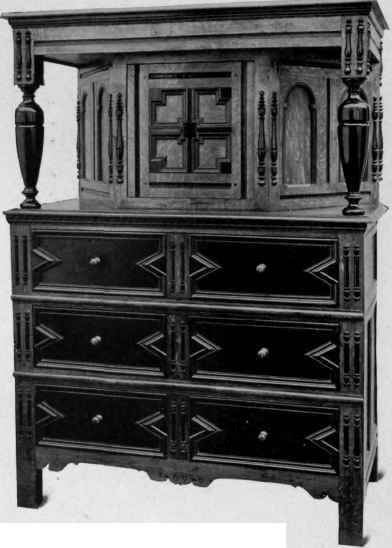
Figure 170. Press Cupboard with three drawers, 1699.
Figure 170 shows an interesting cupboard with drawers in the Bolles Collection, owned by the Metropolitan Museum of Art. It is of American oak, and the maker apparently had in mind such a piece as is shown in the preceding figure. The three drawers are panelled in a simpler adaptation of the top drawer of figure 169. The cupboard portion is also very similar, with the two arches on each side and split spindles. The supporting bulbous posts of each are turned in the same design. The chief differences are the designs of the panels on the cupboard door and the fact that the stiles on this piece are extended to form the feet, while in the preceding cupboard the feet are onion-shaped and a moulding finishes the lower rail. This cupboard is dated 1699.
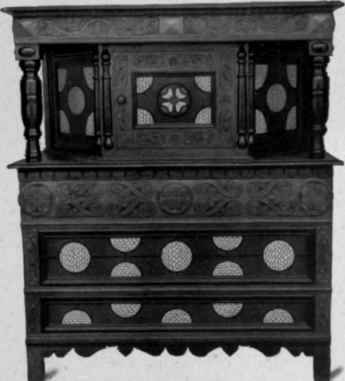
Figure 171. Press Cupboard with three drawers, 1690-1700.
Figure 171 shows a late, rather crude cupboard with drawers in the Bolles Collection. The workman had rather pretentious ideas which he was incapable of executing. The general proportions of the piece are good, but the carving is shallow and lacks the freedom of line found on the Bulkeley cupboard (Figure 163) which it quite closely resembles. The top rail is finished with a dentil cornice and three nail-head bosses take the place of the corbels. The spaces between are crudely carved in foliated scrolls. The panels of the cupboard and the two lower drawers are painted in circles in red and white with nebuly or waving parallel lines within and surrounding the circles, giving a rather startling effect. The frame of the cupboard door and the stiles of the lower portion of the piece are carved in a foliated design. The upper drawer is slightly rounded, carved in a design of double foliated scrolls and circles. Within each of the outer circles is carved a four-leaf flower, which is represented in paint on the panels of the cupboard, and within the centre circle is an eight-looped decoration. The skirt is serrated. Quite a number of chests and cupboards have been found in New England painted in a similar fashion, but it is extremely difficult to determine what design it is intended to represent. The paint on this piece has been restored, but the writer saw the piece in the rough before restoration, and there is no doubt that it is restored correctly but probably too brilliantly.
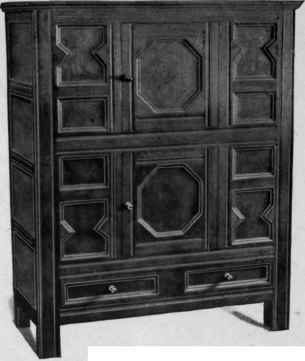
Figure 172. Wainscot Cupboard, 1675-1700.
Figure 172 shows a wainscot or joint cupboard in the collection of Mr. H. W. Erving, which is made throughout of oak, no pine whatever appearing in its construction, a fact quite noteworthy, as the wood is American oak, and most American pieces show pine, while the majority of English pieces are much more sparing in the use of it. The cupboard is divided at the centre, and a long drawer runs across the bottom, the mouldings on this drawer being worked on, not applied as is usual. The stiles may have originally had turned ornaments, but the piece shows no evidence of having been painted. Its date is about 1675-1700.
Cupboards of this variety, with panelling in various geometrical designs, are very often constructed with the receding portions of the panel in pine, and painted black, and with the mouldings painted red.
Continue to:


My Books

