


Chapter III. Mechanical Tissues
Description
This section is from the "Histology of Medicinal Plants" book, by William Mansfield. Also see Amazon: Histology of Medicinal Plants.
Chapter III. Mechanical Tissues
The mechanical tissues of the plant form the framework around which the plant body is built up. These tissues are constructed and placed in such a manner in the different organs of the plant as to meet the mechanical needs of the organ. Many-underground stems and roots which are subjected to radial pressure have the hypodermal and endodermal cells arranged in the form of a non-compressible cylinder. Such an arrangement is seen in sarsaparilla root (Plate 38, Fig. 4). The mechanical tissue of the stem is arranged in the form of solid or hollow columns in order to sustain the enormous weight of the branches. In roots the mechanical tissue is combined in ropelike strands, thereby effectively resisting pulling stresses. The epidermis of leaves subjected to the tearing force of the wind has epidermal cells with greatly thickened walls, particularly at the margin of the leaf. The epidermal cells of most seeds have very thick and lignified cell walls, which effectively resist crushing forces.
The cells forming mechanical tissues are: bast fibres, wood fibres, collenchyma cells, stone cells, testa epidermal cells, and hypodermal and endodermal cells of certain plants. The walls of the cells forming mechanical tissues are thick and lignified, with the exception of the collenchyma cells and a few of the fibres. Lignified cells are as resistive to pulling and other stresses as similar sized fragments of steel. The hardness of their wall and their resistance to crushing explain the fact that they usually retain their form in powdered drugs and foods.
Mechanical Tissues. Bast Fibres
One of the most important characters to be kept in mind in studying bast fibres is the structure of the wall. In fact, the author's classification of bast fibres is based largely on wall structure. Such a classification is logical and accurate, because it is based upon permanent characters. Another character used in classifying bast fibres is the nature of the cell, whether branched or non-branched. In fact, this latter character is used to separate all bast fibres into two fundamental groups - namely, branched bast fibres and non-branched bast fibres. The third important character utilized in classifying fibres is the presence or absence of crystals.
Bast fibres are classified as follows: 1. Crystal bearing. 2. Non-crystal bearing. The crystal-bearing fibres are divided into two classes: 1. Of leaves. 2. Of barks. The non-crystal bearing are divided into: 1. Branched. 2. Non-branched. The branched and non-branched are divided into four classes: 1. Non-porous and non-striated. 2. Porous and non-striated. 3. Striated and non-porous. 4. Porous and striated.
Crystal-Bearing Bast Fibres
The crystal-bearing fibres are composed (1) of groups of fibres, (2) of crystal cells, and (3) of crystals. In these cases the groups of fibres are large, and they are frequently completely covered by crystal cells, which may or may not contain a crystal. The crystals found on the fibres from the different plants vary considerably in size and form. As a rule, the fibres when separated are free of crystal cells and crystals. This is so because the crystal cells are exterior to the fibres, and in separating the fibres during the milling process the crystal cells are broken down and removed from the fibres. It is common, therefore, to find isolated fibres and crystals associated with the crystal-bearing fibres. The fibres which are crystal-bearing may be striated or porous, etc.; but owing to the fact that the grouping of the fibres and crystals is so characteristic, little or no attention is paid to the structure of the individual fibres.
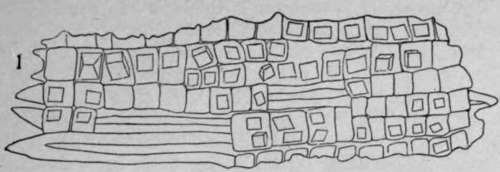
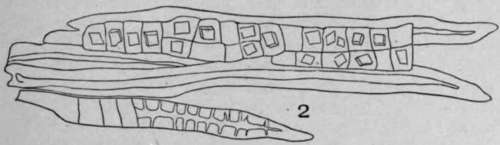
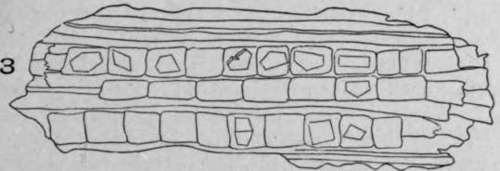
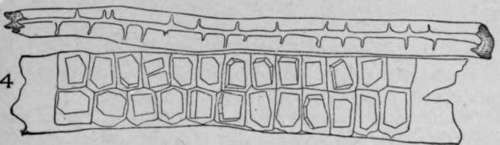
Plate 19. Crystal-Bearing Fibres of Barks.
1. Frangula (Rhamnus frangula, L.).
2. Cascara sagrada (Rhamnus purshiana, D.C.).
3. Spanish licorice (Glycyrrhiza glabra, L.)-
4. Witch-hazel bark (Hamamelis virginiana, L.).
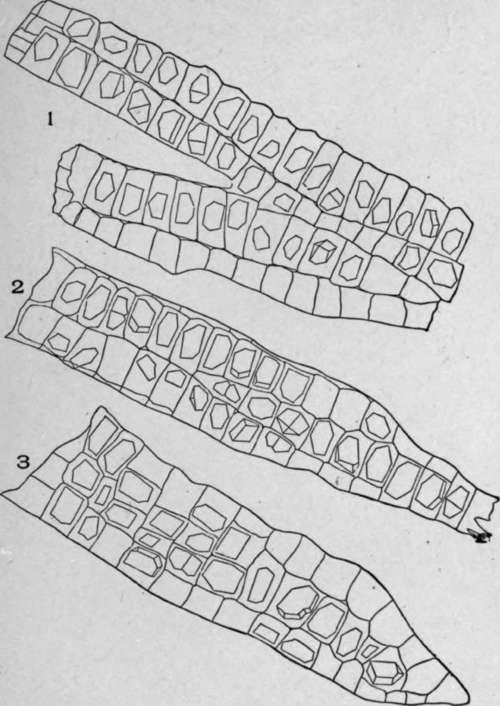
Plate 20. Crystal-Bearing Fibres of Barks.
1. Cocillana (Guarea rusbyi, [Britton] Rusby).
2. White oak {Quercus alba, L.).
3. Quebracho (A spidosperma quebracho-blanco, Schlechtendal).
Crystal-bearing fibres occur in the barks of frangula (Plate 19, Fig. 1); cascara sagrada (Plate 19, Fig. 2); witch-hazel (Plate 19, Fig. 4); in cocillana (Plate 20, Fig. 1); in white oak (Plate 20, Fig. 2); in quebracho (Plate 20, Fig. 3); and in Spanish licorice root (Plate 19, Fig. 3).
The crystal-bearing fibres of leaves are always associated with vessels or tracheids and with cells with chlorophyl. The presence or absence of crystal-bearing fibres in leaves should always be noted. The crystal-bearing fibres of leaves are composed of fragments of conducting cells, fibres, crystal cells, and crystals. The crystal-bearing fibres of leaves occur in larger fragments than the other parts of the leaf, because the fibres are more resistant to powdering. Having observed that a leaf has crystal-bearing fibres, in order to identify the powder it is necessary to locate one of the other diagnostic elements of the leaf - as the papillae of coca (Plate 21, Fig. 1), or the hair of senna (Plate 21, Fig. 3), or the vessels in eucalyptus (Plate 21, Fig. 2).
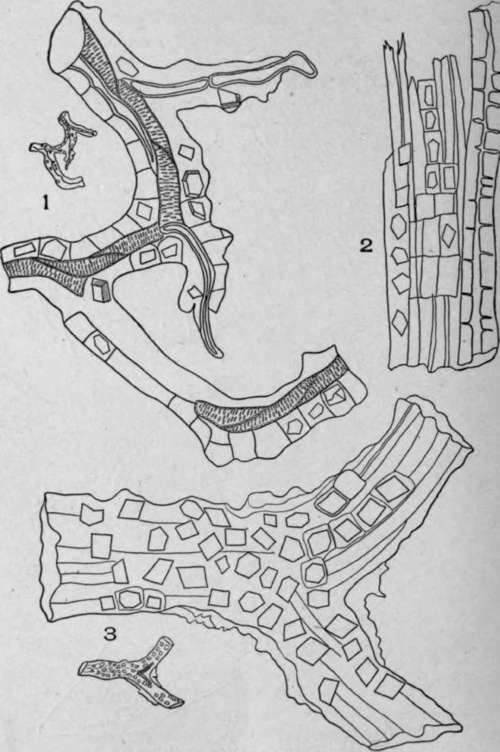
Plate 21. Crystal-Bearing Fibres of Leaves.
1. Coca leaf (Erythroxylon coca, Lam.).
2. Eucalyptus leaf (Eucalyptus globulus, Labill).
3. Senna leaf (Cassia angustifolia, Vahl.).
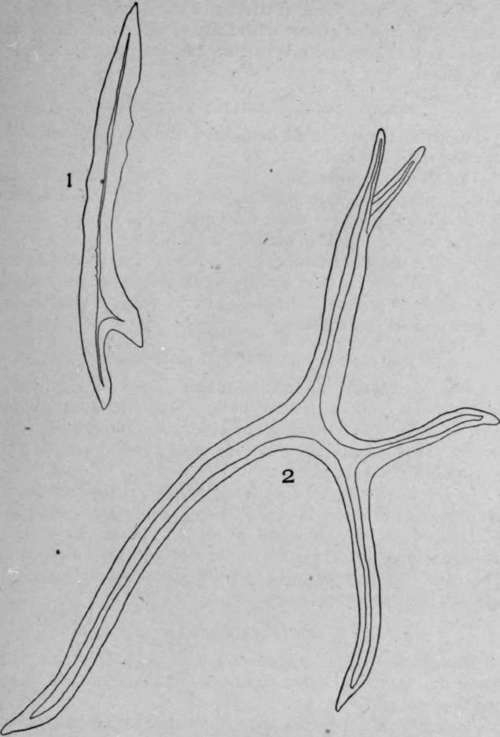
Plate 22. Branched Bast Fibres.
1. Sassafras root bark (Sassafras variifolium, [Salisb.] Kuntze).
2. Tonga root.
Branched bast fibres occur in only a few of the medicinal plants, notable examples being tonga root and sassafras root. Occasionally one is found in mezereum bark.
The bast fibre of tonga root (Plate 22, Fig. 2) often has seven branches, but four- and five-branched forms are more common. The walls are non-porous, non-striated, and nearly white.
The bast fibre of sassafras (Plate 22, Fig. 1) has thick, non-porous, and non-striated walls, and the branching occurs usually at one end only of the fibre. Most of the bast fibres of sassafras root are non-branched.
Continue to:


My Books

