


Thomas Sheraton. 1750-1806. Part 3
Description
This section is from the book "The Practical Book Of Period Furniture", by Harold Donaldson Eberlein And Abbot McClure. Also available from Amazon: The Practical Book Of Period Furniture.
Thomas Sheraton. 1750-1806. Part 3
Sofas Or Settees
Sheraton sofas, or, more properly, settees, were particularly graceful and satisfactory pieces of furniture.
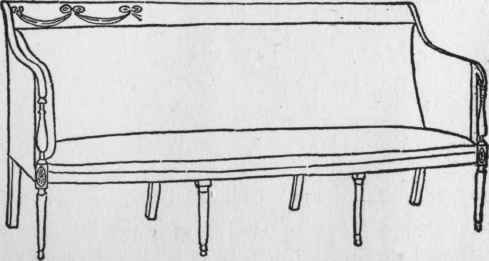
Fig. 3. Sheraton Sofa.
They followed the same structural and decorative principles as the chairs. Caning was used both for backs and seats in many chairs and settees (Plate XXXIII, p. 244), and in some of the caned settees the backs were agreeably diversified by an alternation of caned panels with narrower latticed or balustered panels (Fig. 1, B). The upholstered settees sometimes had latticed or balustered arms and sometimes were wholly upholstered (Key XIII, 7). They were usually long and had eight legs (Key XIII, 7; Fig. 3; Plate XXXIII, p. 244).
Bedsteads
Sheraton bedsteads, like Hepplewhite bedsteads, usually had simple testers covered by valances (Key XII, Fig. 4). At the corners surmounting the posts were often finial vases or urns, sometimes with flame topping (Plate XXXVI, p. 260). The base of the post was ordinarily turned. The upper part, from the framing, was in most cases turned and reeded and very often of vase shape at the lower part, tapering off to exceedingly slender dimensions at the top. Sheraton posts were always slender and graceful. Some of the later patterns, instead of reeding, had spiral turning (Fig. 6). The acanthus ornament also frequently appears on posts. Head-boards were either straight with downward scroll ends (Plate XXXVI, p. 260) or surmounted with swan neck scrolls centring in an urn-shaped finial.
Tables
Sheraton range or extension tables had shaped or semi-circular ends and turned reeded or fluted legs (Fig. 5) and were similar in arrangement to the Hepplewhite range tables. Card tables with turn-up leaf (Fig. 5) had shaped, serpentine or sprung (Fig. 5) fronts and the typical leg like those above described. The edges of table-tops were frequently reeded horizontally (Fig. 5). Pembroke tables (Fig. 4) with square tapered legs were similar to Hepplewhite tables of the same type but were more apt to have saltire stretchers (Fig. 4).
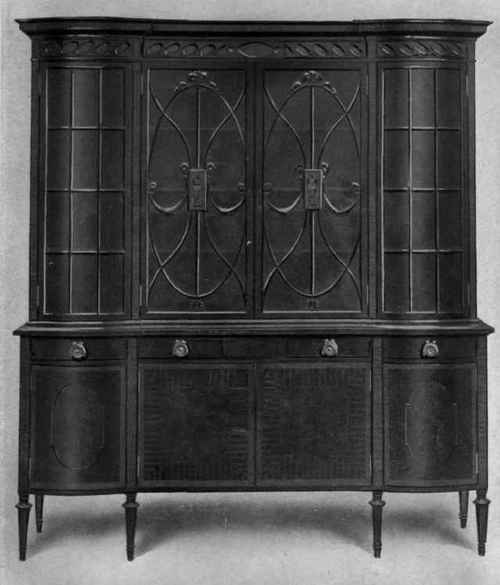
PLATE XXXIV. SHERATON INLAID MAHOGANY BOOKCASE OR CABINET By Courtesy of the Chapman Decorative Co., Philadelphia.
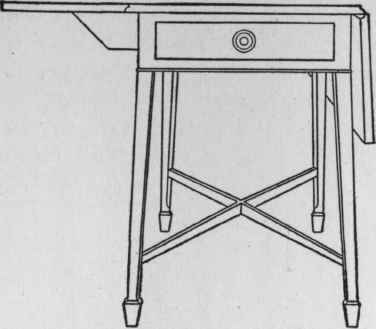
Fig. 4. Sheraton Pembroke Table with Spade Feet. In the Possession of Abbot McClure, Esq.
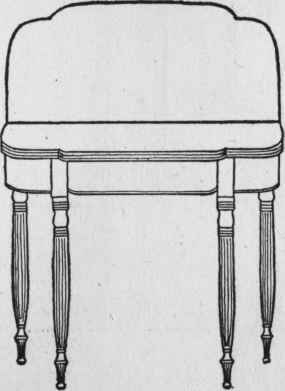
Fig. 5. Sheraton Card Table. In the Possession of Harold D. Eberlein, Esq.
Writing tables with drawers were like those of Hepplewhite pattern, except that they usually had the characteristic turned and fluted or reeded leg. Work tables were made with polygonal ends or else were square (Fig. 6) or octagonal in shape. Some of the work tables had square tapered legs while others had the typical round and reeded leg. In the later work tables, as also in some of the later tables of other description, the leg instead of being reeded was spirally turned (Fig. 6) and the top had the acanthus ornament adjoining the under framing (Fig. 6). The bases of such legs were sometimes brass mounted and the rounded tops projected from the corners (Fig. 6).
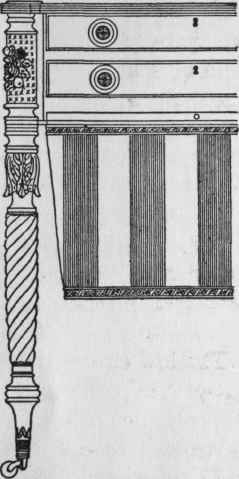
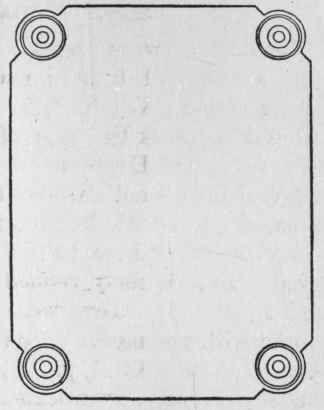
Fig. 6. Late Sheraton Work Table in the Mode Immediately Preceding His Decadenoe.
In the Possession of Abbot McClure, Esq.
Painted and inlaid tables of semi-circular or shaped front similar to those made by Hepplewhite (Key XIII, 8; cf. Key XI, 5) were also designed by Sheraton. Some of these tables had rising saltire stretchers. Sofa tables were supported by legs at either end and were oblong. They were intended for placing in front of sofas or settees and hence their name. They usually had narrow drop leaves.
Continue to:


My Books

