


Queen Anne And Early Georgian. 1702-1750. Part 4
Description
This section is from the book "The Practical Book Of Period Furniture", by Harold Donaldson Eberlein And Abbot McClure. Also available from Amazon: The Practical Book Of Period Furniture.
Queen Anne And Early Georgian. 1702-1750. Part 4
Stools
Stools continued in popular use during Queen Anne's reign. Indeed people were so accustomed to using them that they would have missed them sadly had they suddenly been obliged to do without. There were stools both long and short and they followed the styles prevalent in the chairs. The long stools often had "squab" or loose cushions.
Forms and settles, as in the preceding period, continued to be made of oak in the country districts, where they were extensively used and where manners of living did not change as rapidly as in the cities.
Key Plate IV. Queen Anne-Early Georgian Period - Continued

Fig. 4. Q. A. Wing Chair. Note Shell Ornament and Eagles' Heads at Knees.

Fig. 5. Double Hoop-Back Chair. Note Eagle's Head Arms, Collared Ancles and Pieds de Biche.

Fig. 6. Decorated Q. A. - Early Georgian Double Chair-Back Settee.
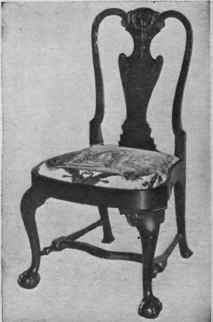
Fig. 7. Q. A. Fiddle-Back Chair with Stretchers.
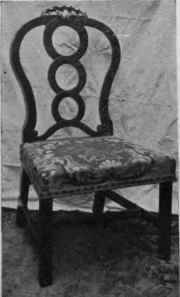
Fig. 8. Early Georgian Chair, Interlacing Circle Splat.

Fig. 9. Q. A. Bureau or Secretary.
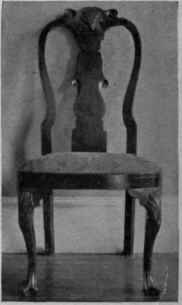
Fig. 10. Q. A. Fiddle-Back Chair, Shell Cresting, Web Feet and no Stretchers.
Settees
The typical Queen Anne settee differed from the William and Mary settee in that it had usually a perfectly straight slightly arched back, having got rid of the double hoop. As a rule the back was also much lower than the back of the William and Mary settee. The legs were cabrioled. The arms flared outward and were generally rolled over and stuffed. Sometimes they were carried up at the back to form wings. The next step in the progress of the settee was to have carved arms padded with upholstery for elbow rests. Then came carved and shaped arms without pads, and a back following the general contour of the hooped chairs. Last of all came the double chair back settee without upholstery, save on the seat, which followed the lines of chairs, and was in reality simply two chairs made into one (Key V, 6).
Day-Beds
Day-beds continued in popular use during the Queen Anne period and were made upon graceful lines similar to the chairs and settees. They usually had three or four cabriole legs to a side and rolled over or cabriole shaped head rests.
Bedsteads
The bedsteads of Queen Anne's day and of all the early part of the period called by her name had tall slender, round, square or octagonal posts that bore aloft a high tester. It was usually the case that posts, tester, headboard and base were all upholstered or strained with some sort of fine goods, velvet or the like, and showed little or none of the woodwork, just as in the preceding period. Bedsteads of the early Queen Anne period are so rare that it has often been asked what the people slept in. As a matter of fact, the humbler classes seem to have slept very largely in truckle beds, the yeomanry and lesser gentry in the old beds of a former day and only the wealthy indulged in the extravagance of these magnifical upholstered creations.
In early Georgian times it became again the fashion to carve bedposts (Plate X, p. 120), and we find the usual forms of ornamentation employed around the lower part and foot, the upper part being merely rounded or fluted. In the simpler bedsteads, the lower part of the posts was often plainly squared with block feet. Sometimes there were low headboards and sometimes not. Posts still towered to a great height. The back posts were almost always plain, while the front posts had more care bestowed on them. This was because the back posts were then wholly concealed by the curtains. Occasionally ornate testers are found, but more often only the tester frame, which was wholly covered by valances and hangings. The surest indications of age in bedposts, so far as contour is concerned, are great height and slenderness.
Continue to:


My Books

