


Bedsteads
Description
This section is from the book "Colonial Furniture In America", by Luke Vincent Lockwood. Also available from Amazon: Colonial Furniture In America.
Bedsteads

Figure 814. Mahogany Bedstead in Sheraton style, 1790-1800.
Figure 814 shows a simpler bedstead of the same style, the property of Mr. Merle Forman, of Brooklyn. The four posts are turned in vase shape with a long, swelling shaft above. On the vase part are carved draperies and the rest of the shaft is reeded. The legs originally terminated in spade feet which have at some later date been changed to bird's claw and ball feet.

Figure 815. Field Bedstead, 1790-1800.
A simple field bedstead is shown in Figure 815. The foot-posts are turned in late form and at the top are urns. The head-posts are plain. The tester is curved in a half-circular form, which makes the top at the centre about the height of the bedsteads, having straight tester-tops.
Figure 816 shows four styles of posts of the Empire period. The ones at the right and left are carved in the usual acanthus-leaf pattern, with pineapple finials, so popular in this period. The second one is a little earlier and plain and the third one is spiral-turned.
Heavily carved mahogany bedsteads, ornamented principally in designs of acanthus leaves and pineapples, with both high and low posts, came into use-about 1800-20, when furniture of similar style and design was generally adopted. There have been called to the writer's notice a number of high-post bedsteads of this description which have associated with them traditions of use during the Revolution, either by Washington or Lafayette. This, of course, is impossible, and the traditions have been fastened to the wrong bedsteads, for no bedsteads of that type were made prior to 1800.
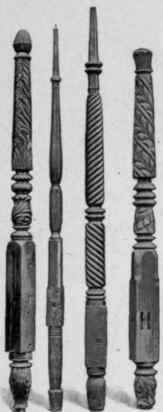
Figure 816. Empire Bedposts, 1800-20.
Figure 817 shows a bedstead of the Empire period. The four posts are carved in the acanthus-leaf and pineapple design and on a portion of the shaft are bold reedings. The bolts are concealed behind panels carved in acanthus-leaf design with a rosette at the centre. The head-board, as is often the case, is carved in the same acanthus-leaf pattern with drapery at the centre. Occasionally a large eagle with outspreading wings is carved at the centre of the bedposts of this period.
Figure 818 shows a low-post bedstead of the Empire period. This style of bedstead was introduced at a time when the tester-top and draped bedsteads were going out of fashion. The posts are carved in acanthus-leaf and pineapple pattern, shown in the preceding figure, and the head-board is bordered with carving.

Figure 817. Empire Bedstead, about 1810.
Figure 819 shows another low-post bedstead, the property of the writer. The posts are reeded and carved in the acanthus-leaf pattern with pineapple finials. The tops of the head and foot boards are rounded and finished with scrolls carved in acanthus-leaf pattern with large rosettes in the manner commonly found on the sofas of the period.

Figure 818. Low-Post Bedstead, 1820 30.
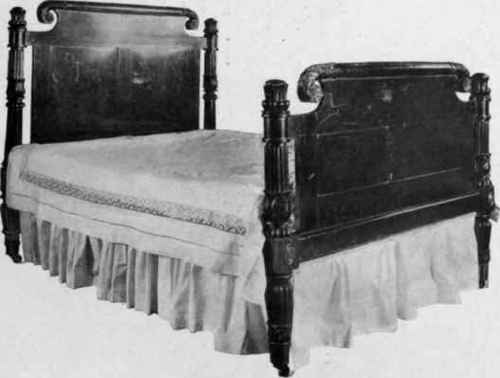
Figure 819. Low-Post Bedstead, 1800-20.
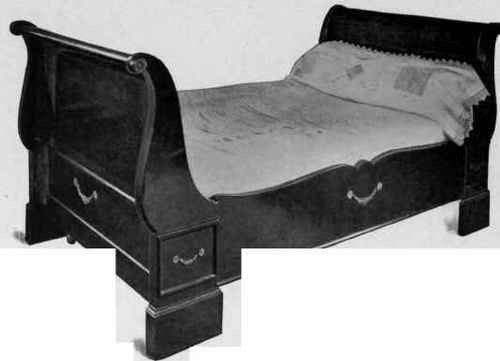
Figure 820. French Bedstead, about 1830.
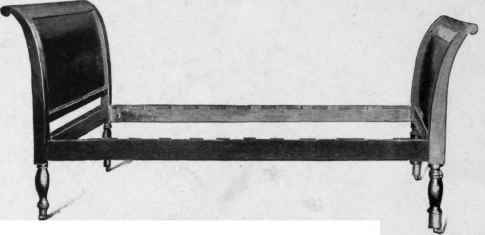
Figure 821. French Bedstead, about 1830.
From 1820-40 great numbers of low-post bedsteads in maple and cherry, with simple turned posts and head-boards, and occasionally with a turned footboard, were in use throughout New England.
The French Empire bedsteads with rolling head and foot boards were popular here about 1830 and remained in fashion until replaced by the black walnut machine-made bedsteads. The posts of these French bedsteads were ornamented with ormolu or brass mounts and the side rails extended nearly to the floor.
Figure 820 shows a typical example of one of these bedsteads, the property of Miss E. R. Burnell, of Hartford.
A simple bedstead of this style which belongs to Mr. Casper Sommerlad, of Brooklyn, is shown in Figure 821. The side rails are narrower than usual and the feet are turned instead of being a continuation of the sides.
Continue to:


My Books

