


VI. Looking-Glasses. Part 10
Description
This section is from the book "Colonial Furniture In America", by Luke Vincent Lockwood. Also available from Amazon: Colonial Furniture In America.
VI. Looking-Glasses. Part 10
Another "bilboa" looking-glass is shown in Figure 368 and is in the Bolles Collection, owned by the Metropolitan Museum of Art. On the sides are engaged columns above which are urn finials, and at the base are carved feet. At the top are scrolls of leaves and flowers supporting an oval frame within which is a painting. On the outer edges are reel and bead mouldings, gilded, and on the inner edges a pearl bead moulding.
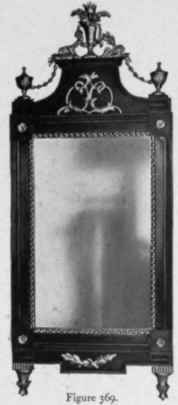
Looking-Glass with mahogany and gilt frame, about 1780.
A form of looking-glass of which several have been found in the vicinity of Hartford is shown in Figure 369 and is the property of the writer. At the centre of the top is a pitcher with flowers and at the corners are urns. The central portion is filled by an applied ornament of scrolls. Beneath the top and around the looking-glass frame is a border suggesting the meander pattern of light wood, and the outer edges of the frame are of light wood, the balance being of mahogany, making a pleasing contrast. In the corners are blocks upon which are placed rosettes. There is a pearl edge moulding about the glass, and at the base are feet and in the centre are carved and gilded leaves.
Still another form of looking-glass is that shown in Figure 370, the property of Mr. John J. Gilbert, of Baltimore. The frame is rectangular and the ornamentation is entirely obtained by inlay. On the outer edges of the upper part are inlaid columns with acanthus-leaf capitals above which is inlaid the meander pattern. At the centre of the top is inlaid a cup with flowers and leaves standing on a large base of light wood bordered with a modification of the meander pattern. At the base is an inlaid, lozenge-shaped medallion within which are leaves and flowers.
A narrow band of inlay follows both the outer edge of the frame and the glass.
Another looking-glass of the same general character is shown in Figure 371 and is the property of Mr. H. W. Erving, of Hartford. At the centre of the top is a medallion in which is inserted a cameo plaque representing the marriage of Cupid and Psyche. This was copied from a medallion plaque by Wedgwood of the same subject.
Figure 372 shows a mantel looking-glass from the Nichols house, Salem, Massachusetts. The cornice is in a Sheraton design with pendent balls attached to its under surface. This form of ornamentation was not used to any extent before Sheraton's time. Below this cornice is a lattice-work applied on the surface and at the centre a festooned drapery. Below this is a panel painted on glass: at the ends, representing crossed horns, and in the centre two branches of leaves crossed. There are four reeded columns with a slight acanthus-leaf carving at the top of each. This looking-glass is supposed to have been bought at the time the house was limit in 1783. It to it is the earliest example of Sheraton work that the writer has seen. It would seem more probable that the mirror had been pur-rliased some few years after the house had been built, for it is in the style which was popular about 1700.

Figure 370. Looking-Glass with mahogany and inlaid frame, about 1790.
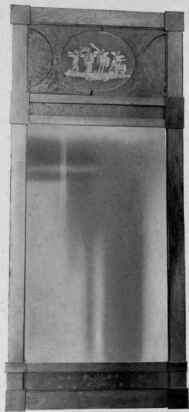
Figure 371. Looking-GIass with medallion plaque, 1790-1800.
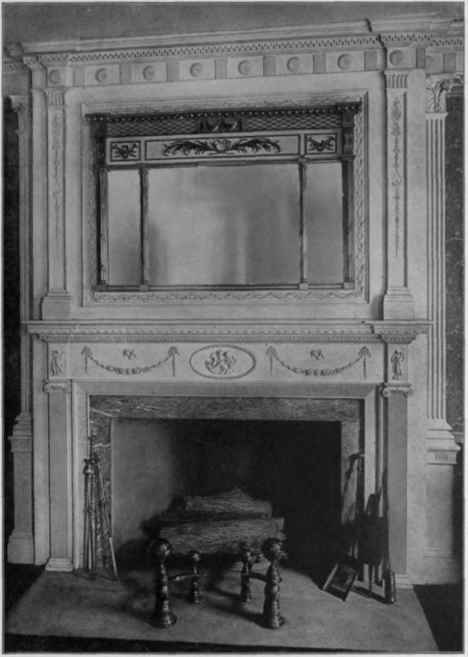
Figure 372 Mantel Looking-Glass, about 1790.
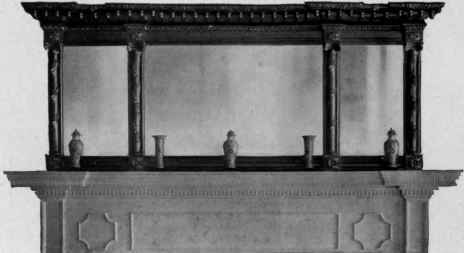
Figure 373. Mantel Looking-Glass, about 1790.
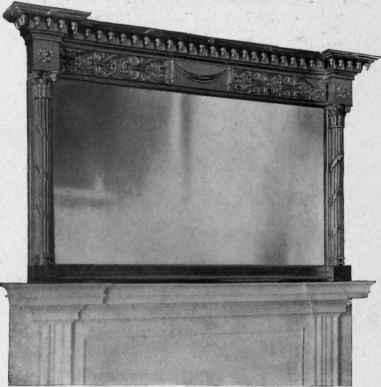
Figure 374. Mantel Looking-Glass, about 1800.
Figure 373 shows another mantel looking-glass belonging to about the same period, from the Pendleton Collection. The cornice consists of a wide quarter-round ornamented with leaves and flowers, a short fillet from the bottom of which are pendent acorns, a wide cove, a fillet, and an ovolo with the egg-anddart moulding. There are four columns with entwined flowers and leaves about them, with Ionic capitals at the top. Rosettes appear above and below the columns.
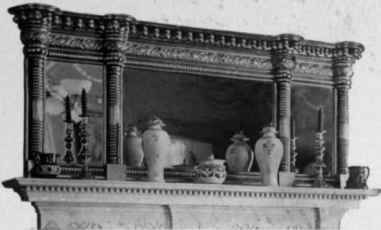
Figure 375. Mantel Looking-Glass, 1800-10.
Figure 374 shows another mantel looking-glass in the same collection. Below the top moulding are pendent acorns, and on the frieze below are applied ornaments in the anthemion pattern and at the centre is drapery. There are but two columns, each reeded and entwined with a leaf and surmounted by composite capitals.
Figure 375 shows another mantel looking-glass of a still later date. The same pendent acorns appear at the top and the caps of the columns carry up through the upper cornice. On the frieze are carved acanthus leaves and about the frame and on the columns are ring-turned half circles. This looking-glas- is the property of Mr. Albert H. Pitkin, of Hartford.
Figure 376 shows another mantel looking-glass which is in the Erving Collection. Above the top of the glass and on either side are half columns set into a half-round hollow which is of burnished gold. At the two upper corners are square blocks which are hollowed out, and within are inserted rosettes and under the end columns are brass claw feet of the Empire period. The glass is divided into three sections. On the back of this mirror is the following advertisement: "Philadelphia Gilt Looking Glass Manufactury. Mahogany, toilet, dressing and pier looking glasses, etc., etc. Joseph Hillier informs his friends and the public, that he has opened a store number 76 Market Street, Baltimore, for the convenience of his Western and Southern customers, wholesale and retail, at the Philadelphia price, N. B., old glass new silvered and framed, prints, needlework, etc., framed and glazed. Cornishes and brackets made, etc. Printed by J. Robinson, 94 Market Street, Belvidere, Baltimore."
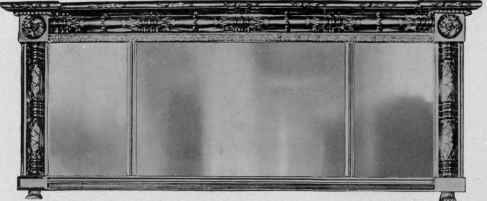
Figure 376. Mantel Looking-Glass, 1810-20.
This Joseph Hillier appears in the Baltimore Directory in 1819.
Continue to:


My Books

