


VI. Looking-Glasses. Part 8
Description
This section is from the book "Colonial Furniture In America", by Luke Vincent Lockwood. Also available from Amazon: Colonial Furniture In America.
VI. Looking-Glasses. Part 8
A few sconces similar to the one last shown have been found in this country in the South.
Figure 353 shows a shield-shaped looking-glass, the property of Mrs. F. B. Watkinson, of Hartford. The shape is exactly that of the back of Hepplewhite chairs, and the looking-glass belongs to that period. At the top is an urn from which extend grasses and from the ends of the urn are scrolls. A pearl bead moulding finishes the inner edge of the frame and at the base are pendent leaves. On the back of the looking-glass is printed the advertisement of the maker, which reads as follows: "Looking glasses and all sorts of frames with carving and gilding done by George Cooper, real manufacturer, 82 Lombard Street, London." This looking-glass is one of a pair.
The Boston Gazette, in 1780, advertised pairs of looking-glasses, and the New York Gazette and Mercury, in the same year, contains the advertisement of Duncan Barckley & Co., 16 Hanover Square, "large pier and looking glasses, oval sconces and giron-doles."
We now come to a form of looking-glass very common in the later years of the eighteenth century and now known as filigree looking-glasses. The ornamentation on these looking-glasses is of a composition gilded and fastened on wires instead of being cut from the solid wood which was the fashion of an earlier date. Figure 354 shows such a looking-glass, the property of Mr.
Albert H. Pitkin, of Hartford. At the centre of the top is an urn with flowers and leaves, and below are scrolls of leaves and flowers extending from the top and down on the sides. At the centre of the base is a half-rosette and there are swags of leaves and flowers.
A similar looking-glass is shown in Figure 355, the property of Mr. Robert T. Smith, of Hartford. The usual urn with flowers is at the top, and below are scrolls and pendent leaves and flowers extending down the sides. At the base are the same pendent leaves and flowers and a central fluted ornament.

Figure 353. Looking-Glass, shield-shaped, 1780-90.
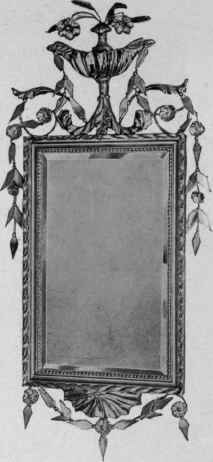
Figure 354. Looking-Glass, filigree frame, 1785-95.
Still another looking-glass of the same sort is shown in Figure 356. There is an urn with fluted sides at the centre with flowers. The urn stands on acanthus-leaf scrolls, and pendent flowers extend from the sides of the urn and are caught by rosettes some little distance above the sides on the frame, and from these rosettes are pendent leaves and flowers. The leaves seem to be intended to represent holly. At the base are the same leaves and flowers and a central ornament with pendent leaves.
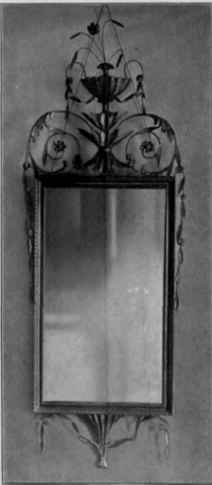
Figure 355. Louking-Glass, filigree frame, 1785-95.
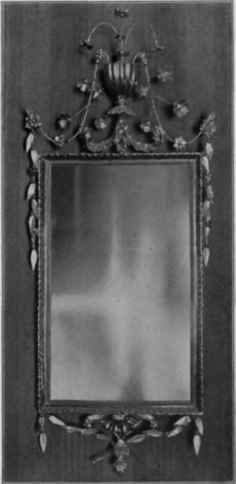
Figure 356. Looking-Glass, filigree frame, 1785-95.
A very fine example of this style is shown in Figure 357 and is the property of Mr. Marsden J. Perry. At the centre of the top is an oval panel with a pearl edge moulding upon which in relief is carved an urn with festoons, and above are flowers. On either side of the oval medallion are scrolls and grasses, and at the corners are two smaller medallions representing heads. The outer edges of the frame are carved in a pendent flower design, and at the base are a scroll and flowers and at the centre an oval rosette with a pearl bead edge containing a rosette.
Figure 358 shows a pier-glass, the property of the writer. It will be seen that the design is of the same order as those now under discussion, but the flowers and leaves are all cut from the solid wood instead of being made of composition with wires. There is an urn at the centre with a leaf, and from this urn are festoons of flowers and leaves. On either side of the looking-glass frame are acanthus-leaf scrolls which terminate in a flower with fruit, and a similar festoon is on the sides above the base. On the surface of the frame is carved a leaf design. Below the frame are two feet composed of acanthus-leaf scrolls, and at the centre is a small swag of acanthus leaves caught at the centre.
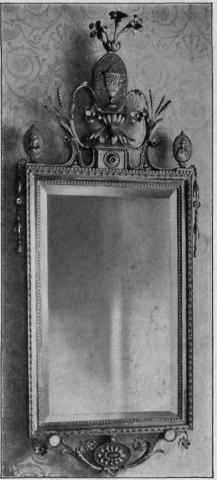
Figure 357. Looking-Glass, Sheraton style, 1785-95.
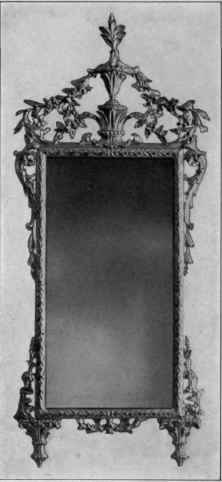
Figure 358. Pier-Glass, Sheraton style, 1785-95.
It seems to have been the fashion in the late years of the eighteenth century to make looking-glasses showing harvesting scenes, and several are found in this country. Such a looking-glass is shown in Figure 359 and is the property of the Tiffany Studios. The top is composed of three spiral cornucopias, one upright and two lying on their sides and bound together by a wreath. In the mouth of each of the cornucopias are various kinds of flowers. The frame is rectangular. In each corner is carved a rosette, and between the rosettes is carved a leaf pattern and on the edge nearest the frame is a reel and bead moulding. At the base are scrolls of leaves and flowers.
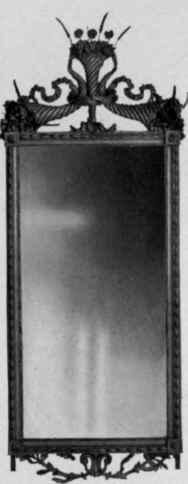
Figure 359. Looking-Glass with carved and gilt frame, 1785-95.
Continue to:


My Books

