


VI. Looking-Glasses. Part 12
Description
This section is from the book "Colonial Furniture In America", by Luke Vincent Lockwood. Also available from Amazon: Colonial Furniture In America.
VI. Looking-Glasses. Part 12
Figure 385 shows another looking-glass in the same collection. At the top are pendent acorns, and on either side in relief are classical figures and at the centre is a shell. On either side of the looking-glass are spiral-turned columns with vase-shaped capitals ornamented with acanthus leaves.
Figure 386 shows another Empire looking-glass which is the property of Mr. R. T. Smith, of Hartford. The upper edge of the cornice is carved in a leaf pattern and there are pendent ball drops, and above each column is a profile head of a man which appears to be intended to represent Cssar. There is a star in the centre portion with a rose on each side. There are two looking-glass plates and on either side are turned columns swelled at the middle.
Figure 387 shows a small looking-glass, the property of Mr. John R. Buck, of Hartford, which quite closely resembles the mantel looking-glass shown in Figure 366. At the top are pendent balls and below is a painted glass on which is a rosette within which is a quiver with arrows. On the sides are columns with Ionic capitals.
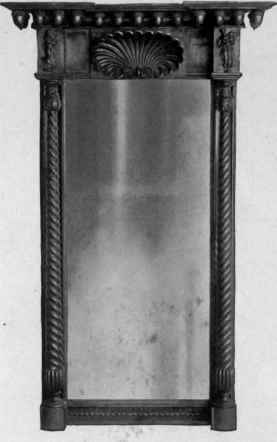
Figure 385. Looking-Glasss Empire style, 1810-20.
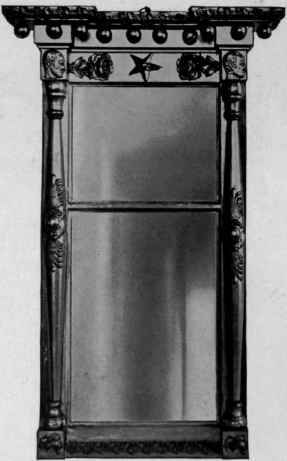
Figure 386. Looking-Glass, Empire style, 1810-20.
Figure 388 shows still another looking-glass of this period. There are pendent acorn drops and above each column and at the centre is a rosette. The columns are turned in the heavy, rather ungraceful fashion of the later Empire period.
A slightly different form of looking-glass of this period is shown in Figure It is made of mahogany without any gilt. Above each column is inlaid a lyre. The columns are partially spiral-turned and partially carved in the acanthus-leaf pattern so popular in the Empire period. On the right-hand side of the looking-glass is a miniature looking-glass belonging to a miniature chest of drawers of the period. It has the acorn pendent drops and turned columns on either side. Both of these pieces are the property of the writer.
It was the custom throughout the eighteenth century to support the looking-glasses on small rosettes, thus making them tilt forward. The rosettes were of various kinds, usually of brass, and frequently arc mentioned with the looking-glass in the inventories.
Eight examples of these rosettes are shown in Figure 390. The first six are enamelled, bound in brass, and date about Revolutionary times. The seventh is of brass with an urn in openwork, and the last is a brass bust of George HI which probably dates prior to the Revolution. In the Empire period many rosettes were made both in this small size for looking-glasses and in the large size for window-curtains. These were usually of thin brass and in the form of conventional rosettes.
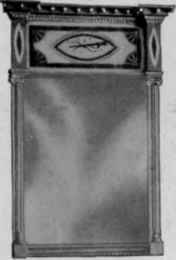
Figure 387. Looking-Glass, Empire style, 1800-12.
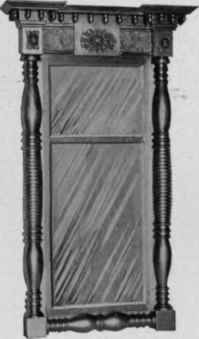
Figure 388. LookingGlass, Empire style, 1810-20.
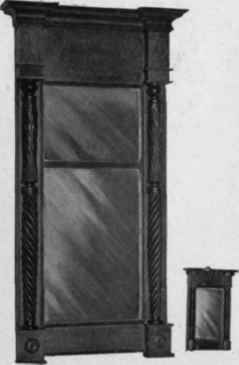
Figure 389. Looking-Glass, Empire style, 1810-20.
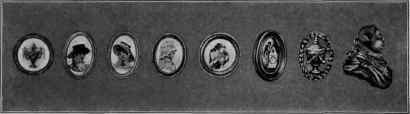
Figure 390. Enamelled and Brass Looking-Glass Rosettes.
In the vicinity of many of the seaport towns, especially about Salem, has been found a form of looking-glass which was very small and usually set in a box, of which Figure 391 is a good example. These looking-glasses are very crudely made, the mouldings simply being glued together and covered with a very thin metal resembling what is known as Dutch metal. Between these mouldings are strips of painted glass and at the centre of the top is painted a basket of flowers. The entire frame sets in a shallow box, as is shown, and had a wooden slide cover. These looking-glasses have acquired the name of courting-glasses for which no good reason can be assigned. It has been puzzling to trace their origin, but after an examination of a large number the writer is convinced that they are of Chinese origin and were brought to this country from China by sea-captains. Some of the reasons for this conclusion are: That the frame is not made in the method employed by Europeans. The wood is the same as is found on frames of a number of paintings on glass which are indisputably of Chinese origin, and all that the writer has seen which were in their original condition have between the plate of glass and the thin wooden back strips of Chinese paper. The painting on the glass is done in the same manner and in the same peculiar colours as are those that were made in China. The frame also indicates its Eastern origin, not being in a form used in Europe at the time. This looking-glatt is in the writer's possession.
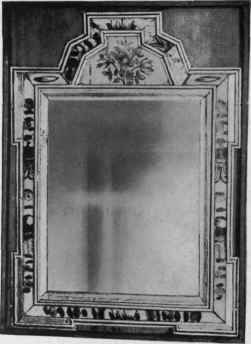
Figure 391. Looking-Glass with painted glass border, about 1800.
Figure 392 shows another looking-glass, similarly constructed, from the Bolles Collection. The edge consists of a fillet and a quarter-round moulding very similar to that found on the early cut-work looking-glass frames. Within this outer frame is a border of strips of paintings on glass between two mouldings, and at the centre of the top is painted a basket of flowers.
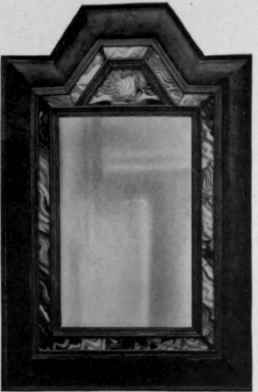
Figure 392. Looking-Glass with painted glass border, about 1800.
Continue to:


My Books

